If the images of crazy vehicle-filled river crossings in the Serengeti-Mara are not for you, then this is for you! Those in the know have been visiting the great parks in southern Tanzania for decades. Almost like a whisper, not really sharing too much.
Times are changing as people look away from the busier parks for a sense of wilderness and freedom. So, let’s take a look at Ruaha National Park.
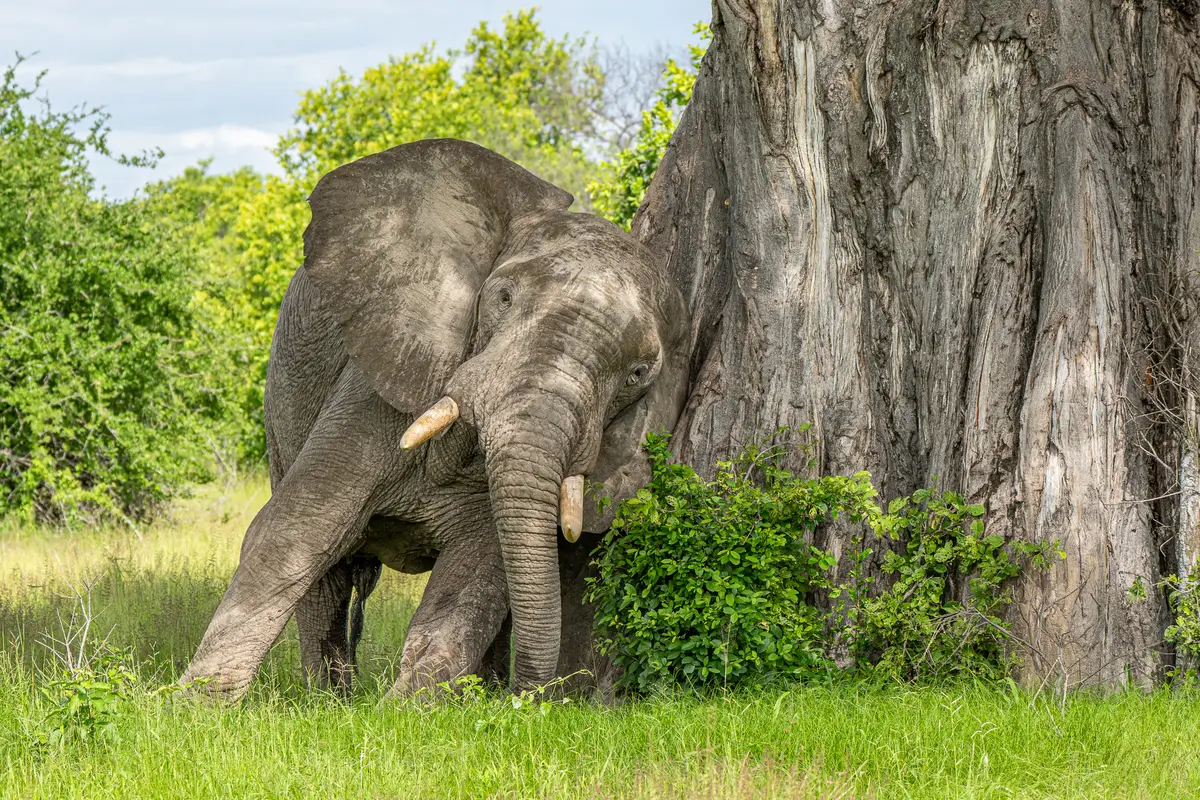
I’ve been mesmerised with Ruaha ever since seeing a famous image of a leopard scaling a giant baobab and looking like a tiny housecat! This is THE park to experience a baobab forest and also have a good chance of seeing leopard. The elephant herds of Ruaha have been hit hard by poachers in the not-too-distant past, but numbers are stable and climbing. So, I thought this image of these two giants side by side was a good one!
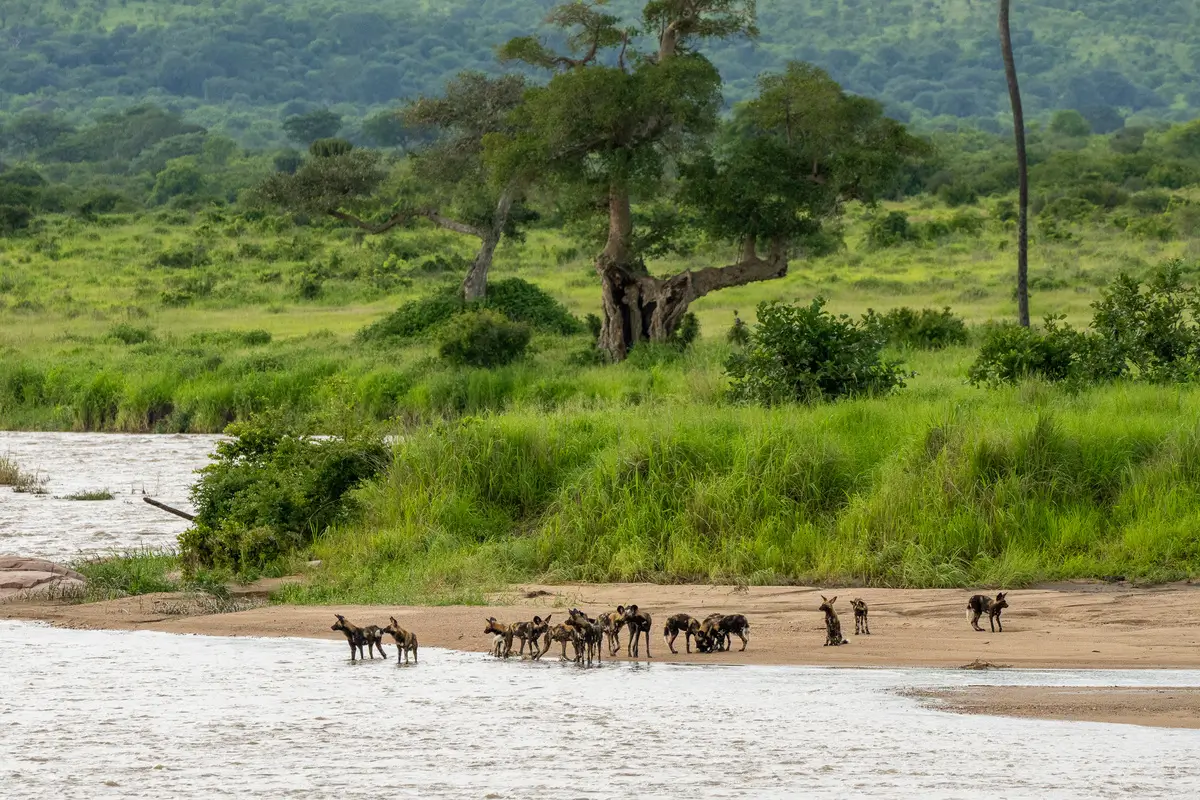
Ruaha is also home to a healthy population of endangered African Wild Dogs. A number of packs make up a regional population of over 500 individuals in the Ruaha-Katavi landscape which is significant.
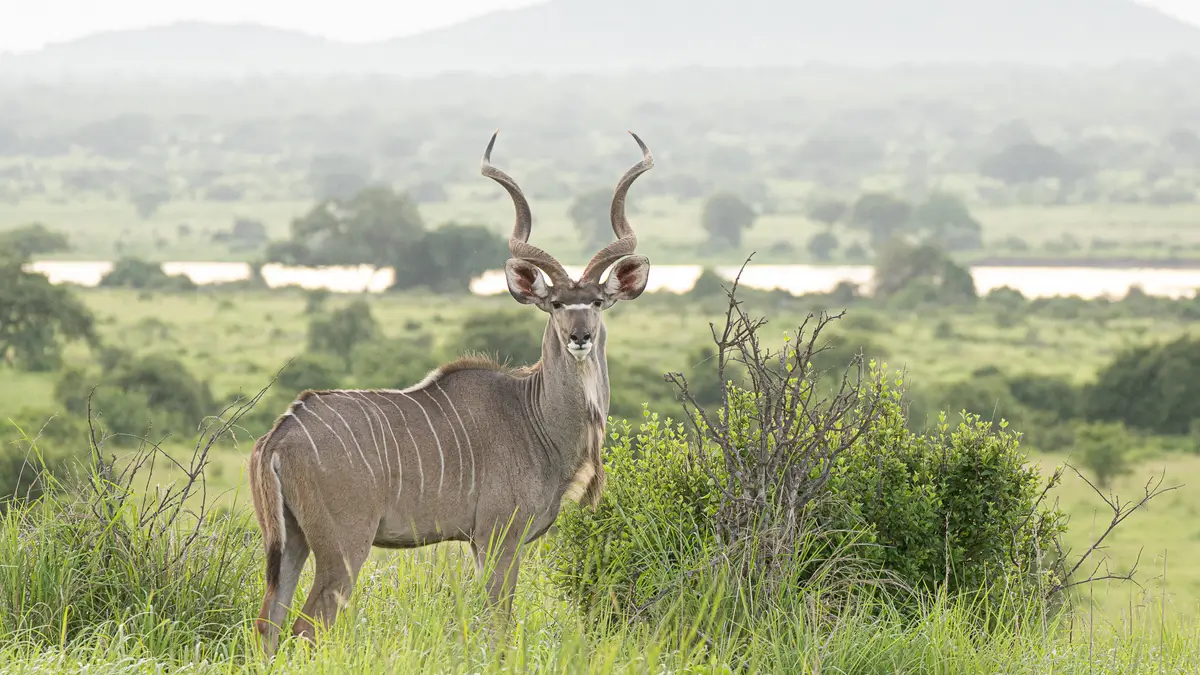
Ruaha sits fairly central in Tanzania and as such has a range of habitats protected here. The Great Ruaha River and its tributaries form the backbone of the park and a sure place to find big game and birdlife in the dry season. It is one of the few places to find both the familiar Greater and scarcer Lesser Kudu in the same park.
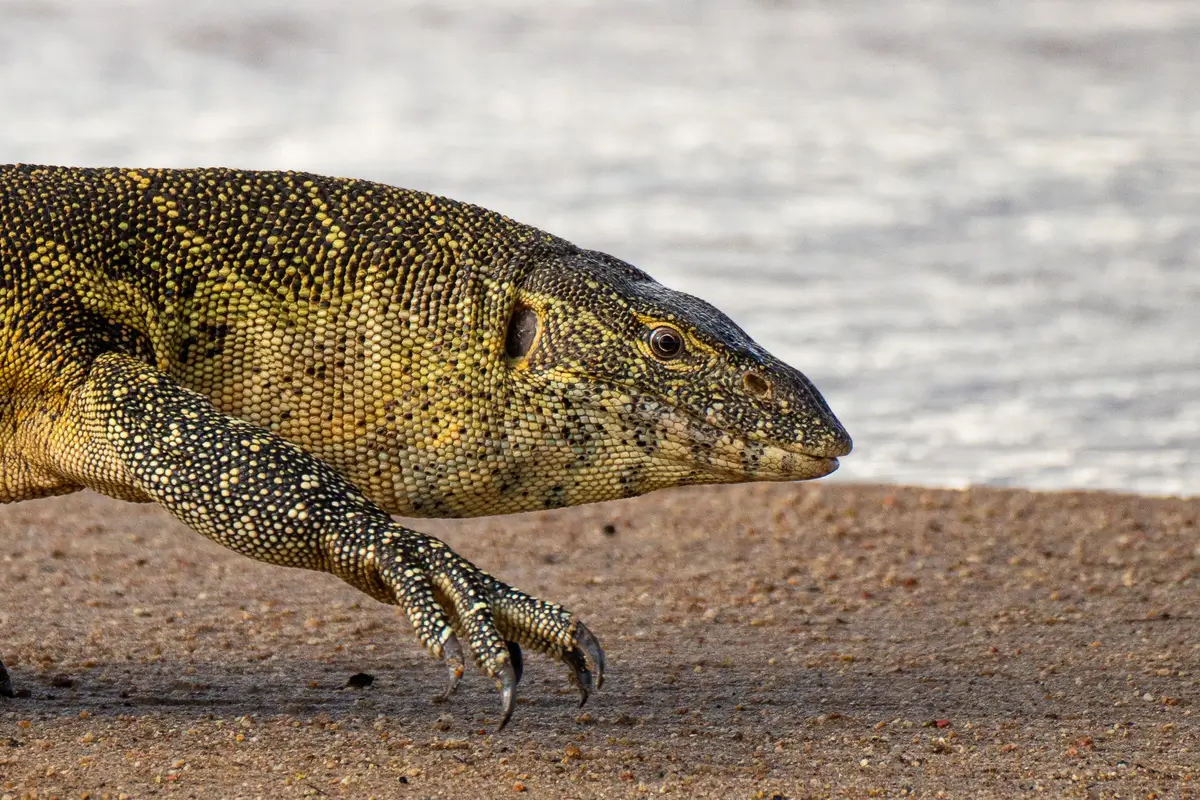
The boulder regions are good for searching for leopard and you’re sure to find the cute and curious hyraxes and busy, colourful agama lizards.
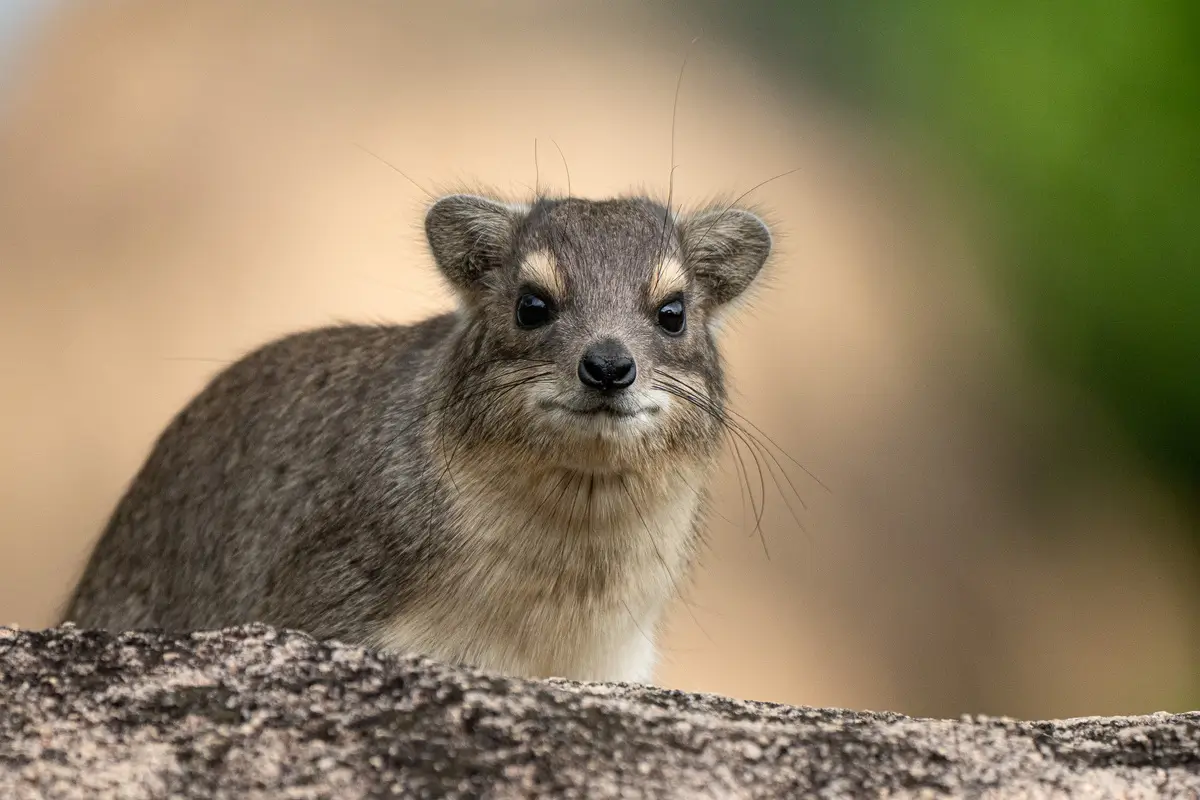
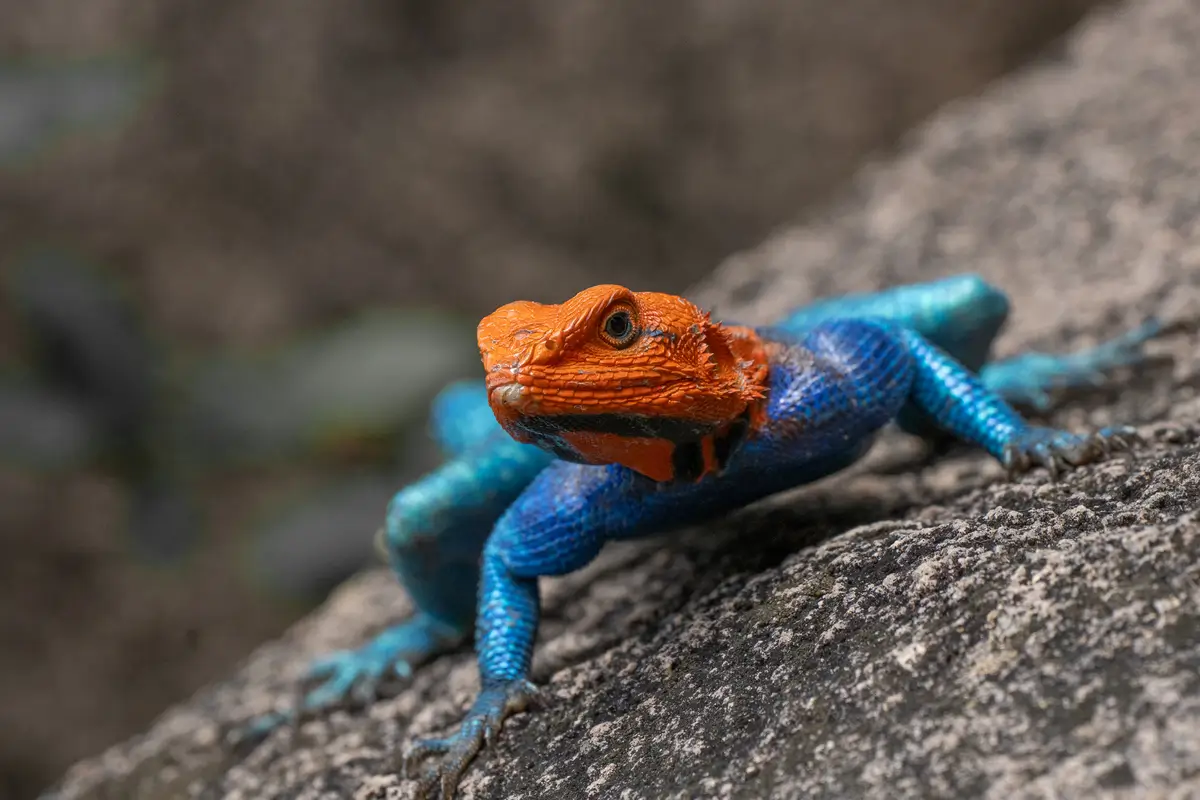
The park is within easy reach by scheduled charter flights and there is a range of excellent camps to choose from to fit your style and comfort level. One camp that is off-piste even within the Ruaha landscape is Usangu Expedition Camp.
This camp is in the south adjacent to the Usangu wetlands, it’s remote and wild. The attraction is the impressive herds of Sable, Roan and other antelope that come out the woodlands utilise the wetland in the dry season. And although not easy to find, I’ve seen cheetah, leopard and lion in this area. Somehow it’s more thrilling when it’s not just easy! I’ll write this visit up in more detail in another blog.
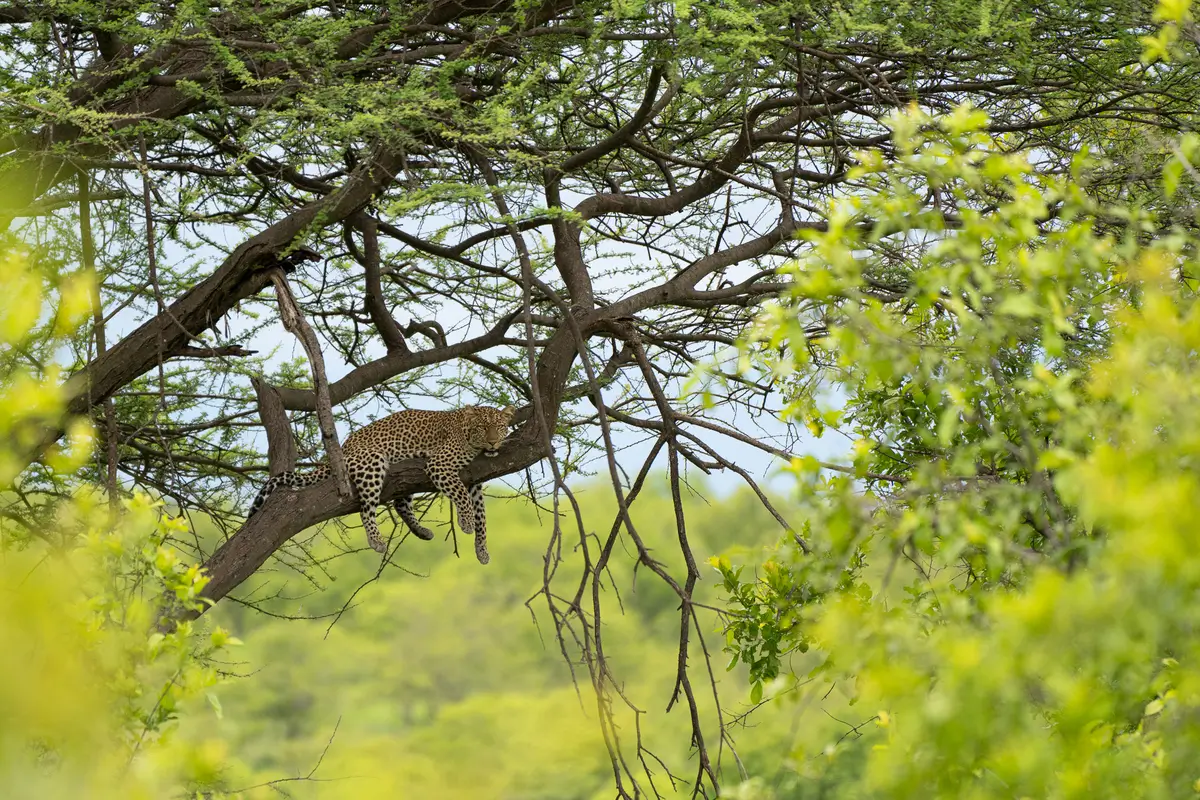
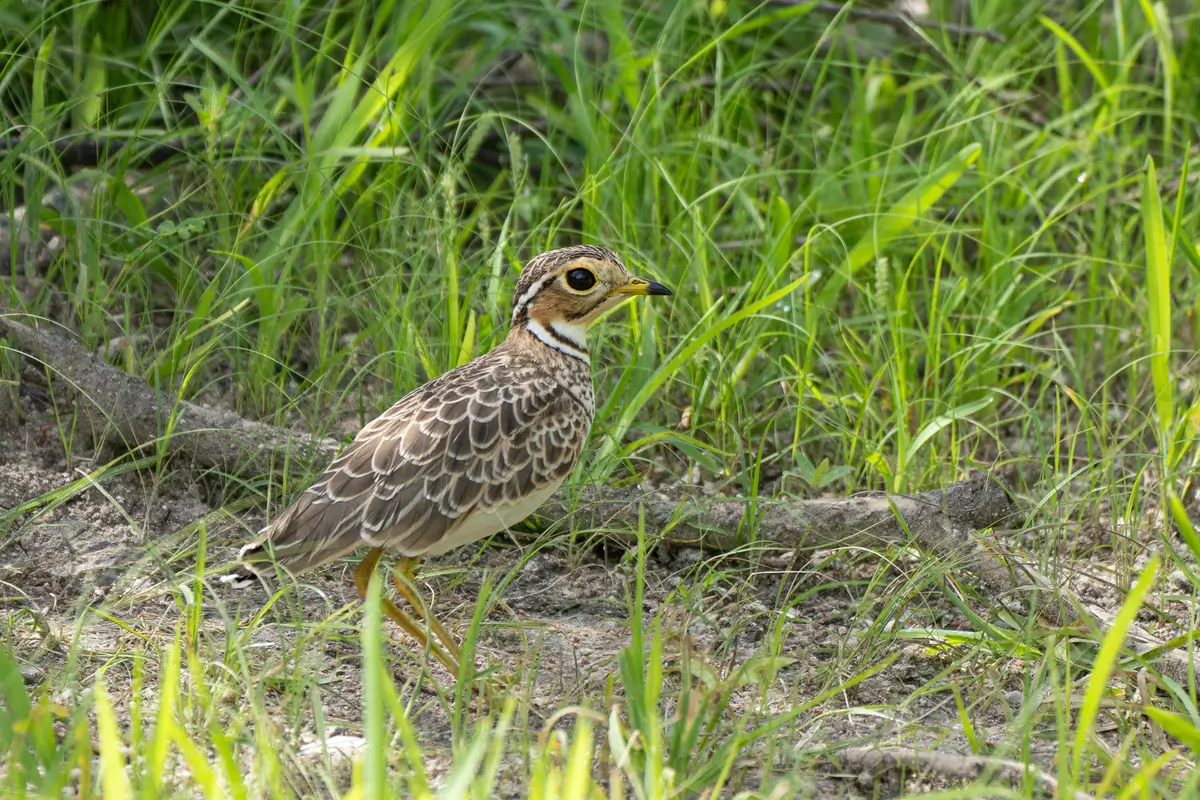
Ruaha is also brilliant for birding. The habitat mix means variety. Waterbirds along the rivers, excellent birds of prey throughout and some special species too. Birders will be keen to photograph the Ruaha Red-billed Hornbill and Ruaha Chat. Other Tanzanian endemics like Yellow-collared Lovebird and Ashy Starling are fairly common. In the miombo woodlands, other more range-restricted species will be found.
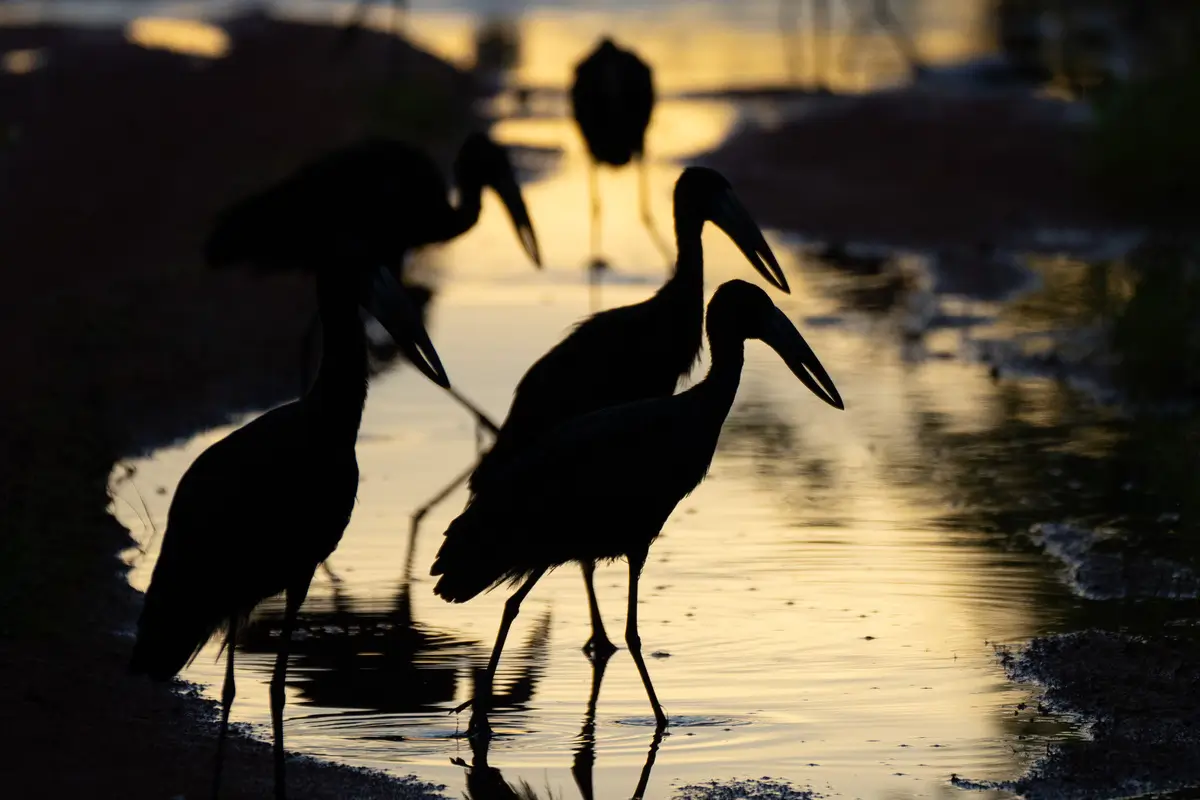
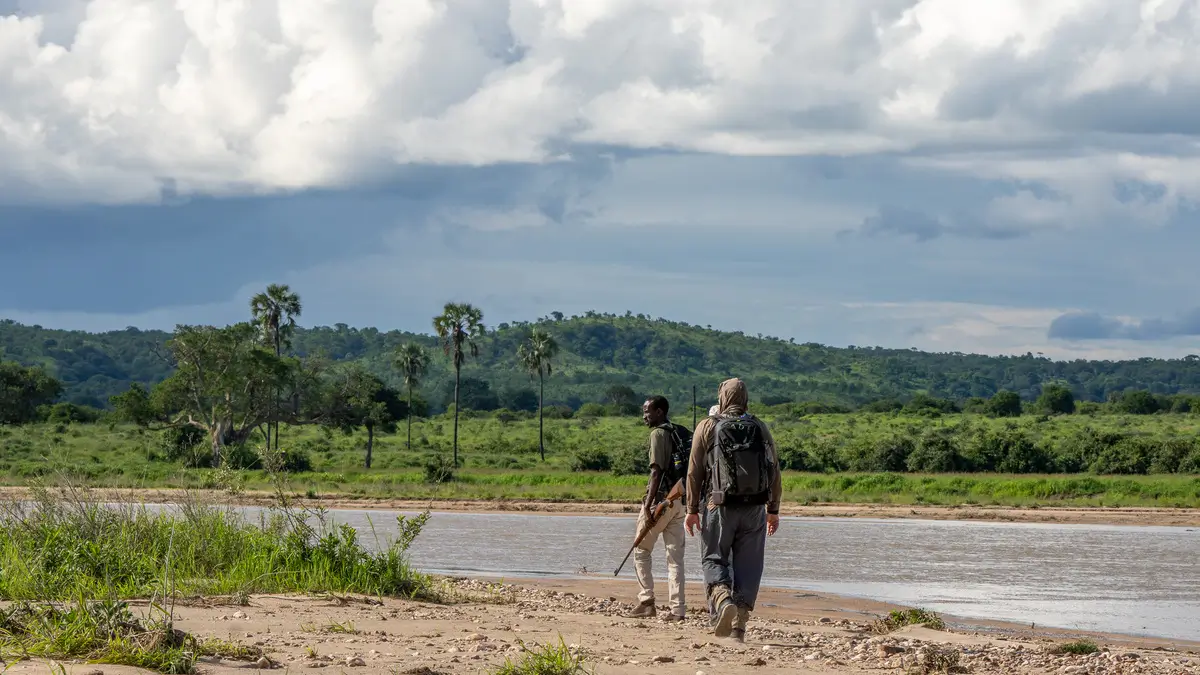
Walking is a key component of being on safari Ruaha. The real freedom that comes from walking wild is hard to beat. You might see very little that is large or might be watching big game on foot. Birds, reptiles, tracks and insects are guaranteed!
What is Southern Tanzania from a parks’ perspective? East of Ruaha lies the ancient Udzungwa Mountain chain and further east the Nyerere National Park. The little-visited Kitulo National Park lies south of Ruaha halfway to Lake Malawi. A range of parks are also found west of Ruaha towards Lake Tanganyika, making for a vast region to explore for wildlife. In short, it’s a sure way to avoid the crowds!
But things are changing fast. New airstrips, more camps. This is good for the region and park, but for those that crave wilderness and less people, it’s worth getting there sooner rather than later.