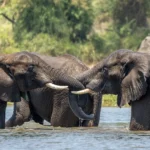
Namibia. Close your eyes. First image? Vast, open dry desert plains. Maybe an oryx standing there.
Travel in late summer in good rainfall year and it couldn’t be more different!

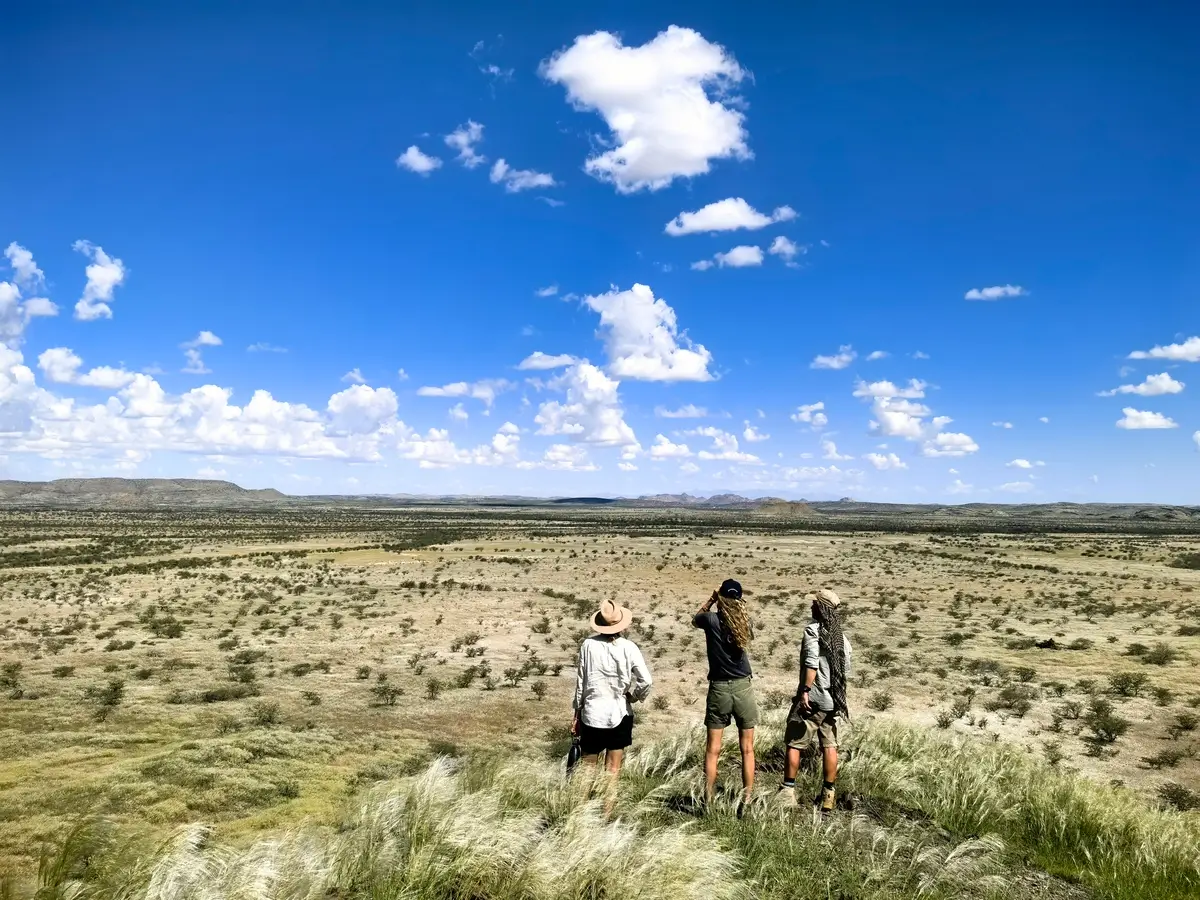
I was speaking with some pilots, guides and rhino trackers who say the last rains of this magnitude fell 25 years ago at the turn of the millenium. To see the desert this green and lush has been a dream since my early childhood trips to what was then South West Africa. I love the harshness of the Namib in normal times, but this was something extraordinary to witness.
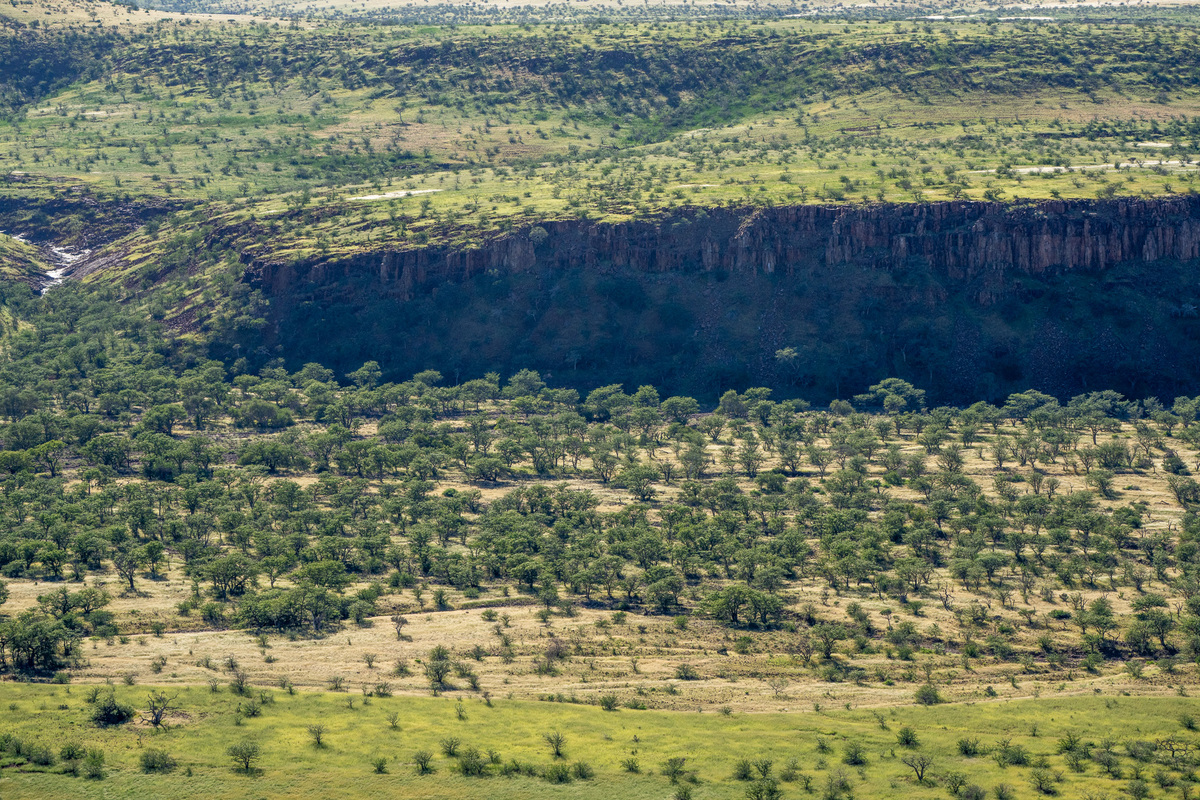
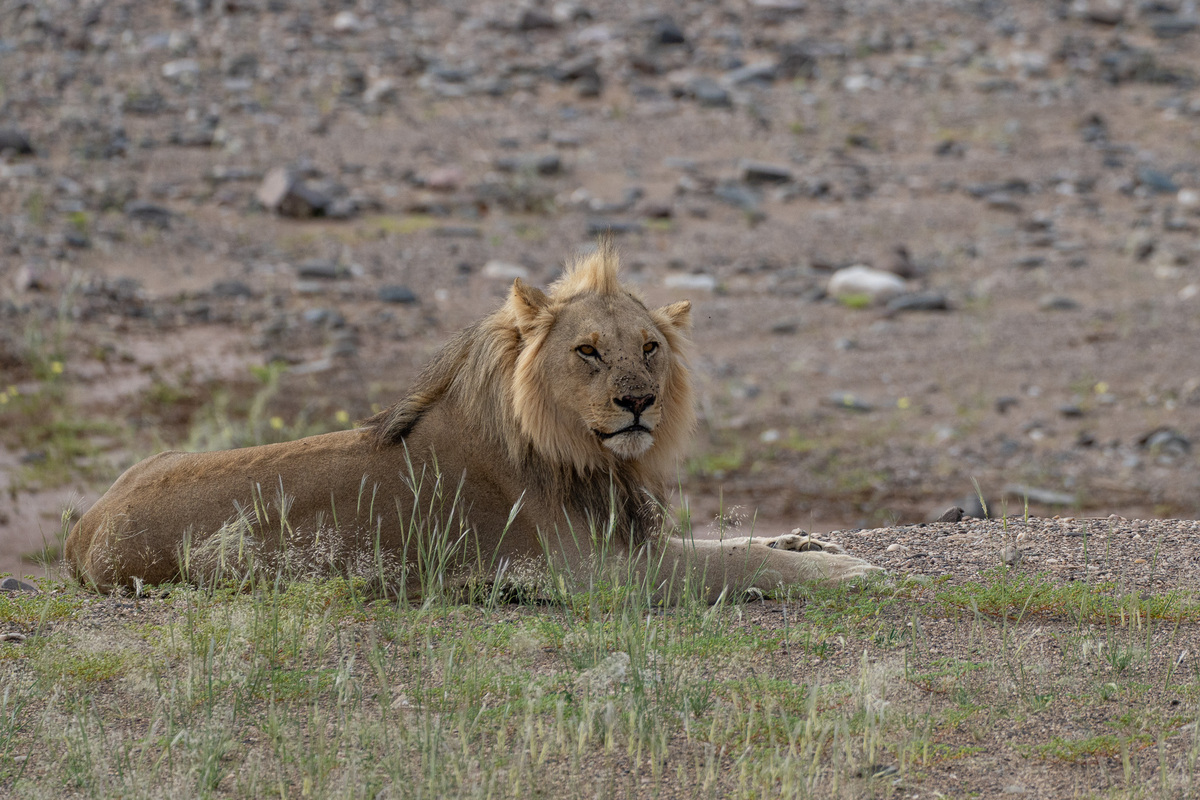
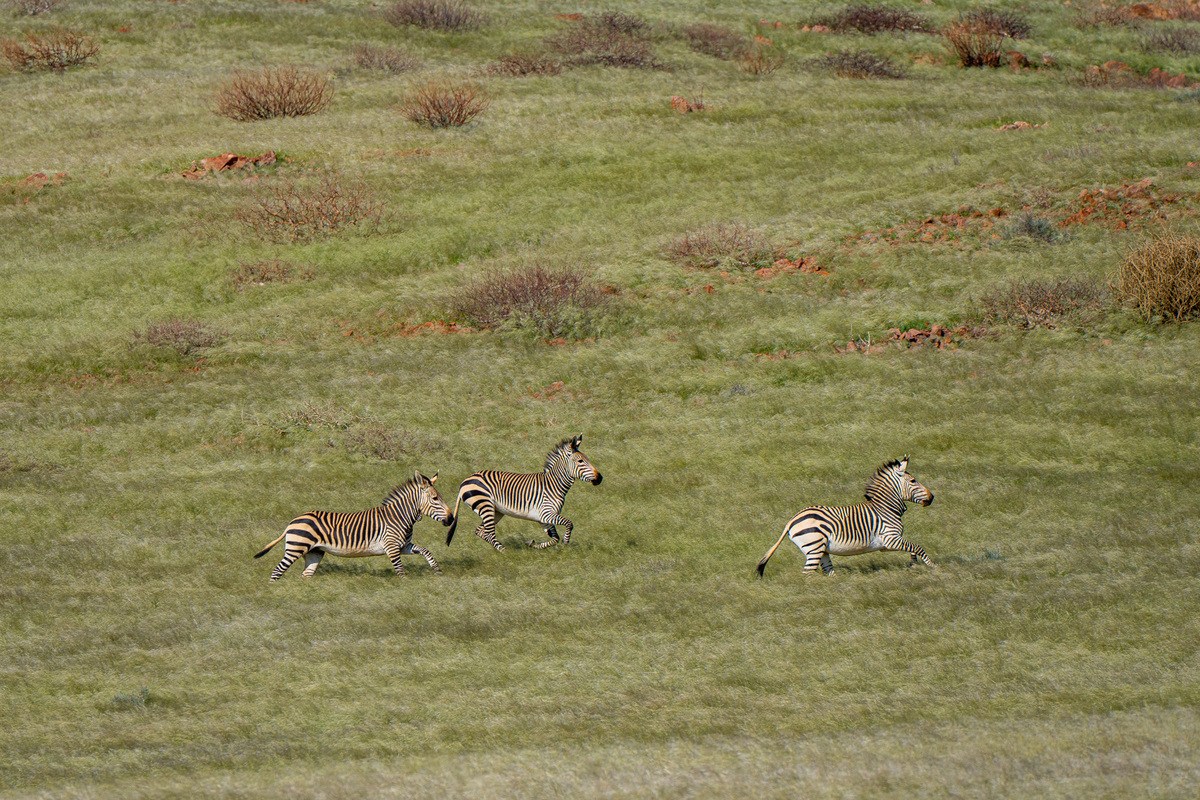
After a few years of intense drought in northern Namibia, the rains have brought great relief to the landscape. Insect life abounds, tadpoles crowd in rocky pools and the desert birds are taking advantage of the conditions to breed en masse. Life is good for the antelope like oryx and springbok, but more challenging for the lions of the region. Their prey disperses widely to make use of the water and abundant food, so seeing skinny lions is not unusual. In the Hoanib River great patience to catch a giraffe is critical to the lions’ survival.
The main purpose of this recent safari was to track and spend time with the desert-dwelling elephants of Damaraland and Kaokoveld. Some we found using a mixture of telemetry and climbing the granite outcrops to scan for the elephants. At other times we just by following their tracks. The research team at EHRA (Elephant-Human Relations Aid) do a wonderful job on many fronts. Conservation is multi-faceted. It incorporates research, community education and engagement, fund-raising and more. But the spent out in the wilderness with the gentle giants and these passionate people has been so memorable. Life for elephants out here can be extremely challenging
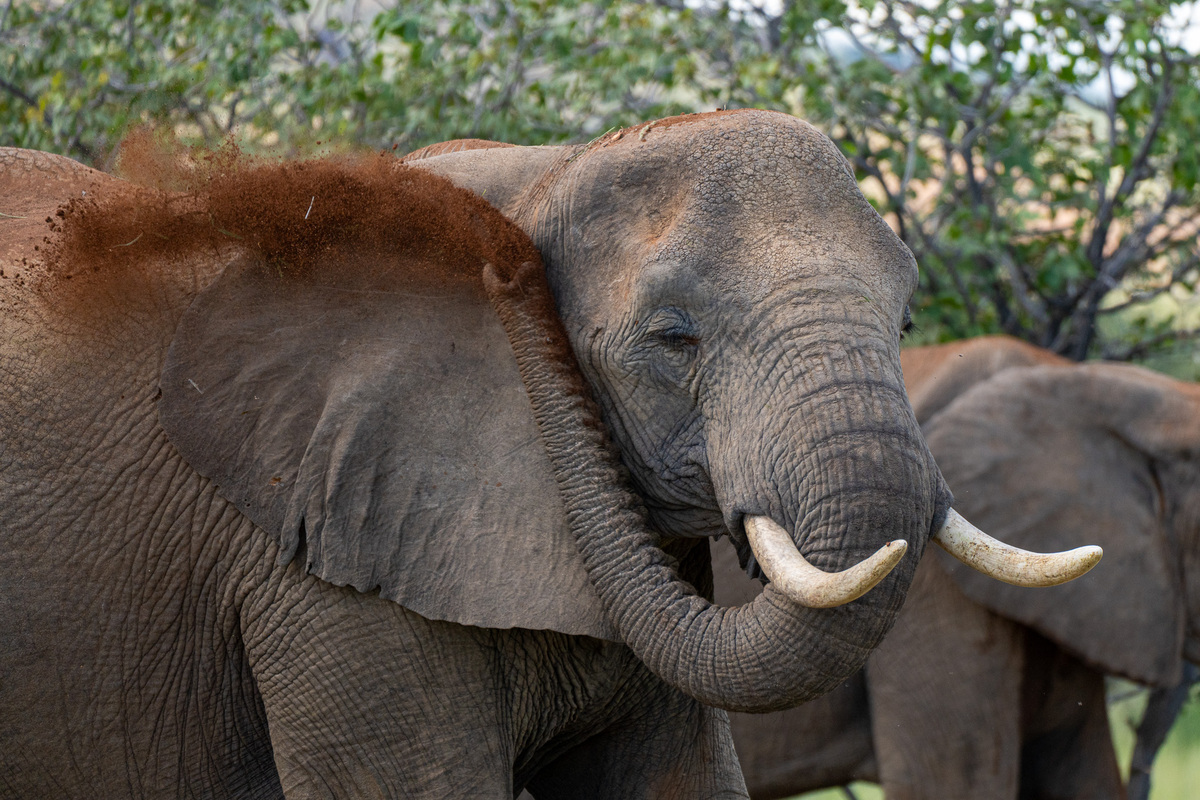
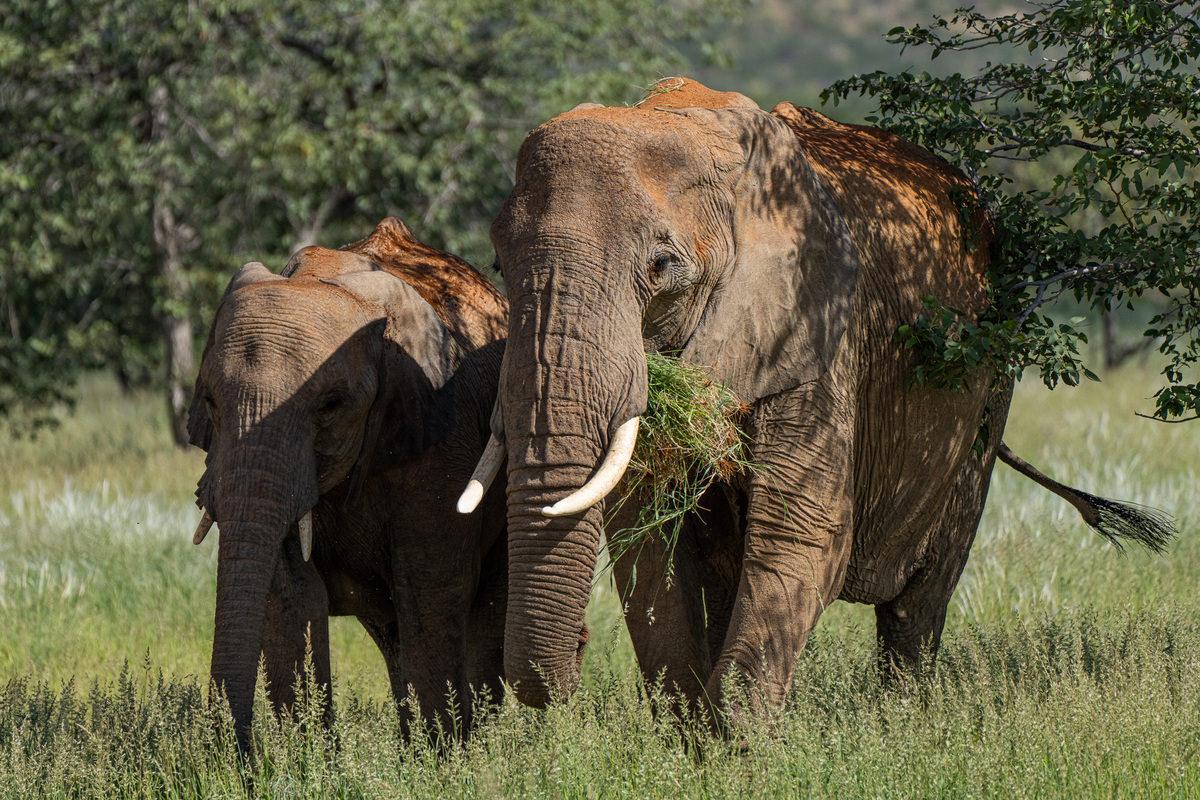
The stars of this safari have been the elephants. They’ve allowed us to follow them, watch them and photograph them. Rarely have I seen elephants enjoy the bounty of the summer rains like these ones. They know that the good times won’t last. The matriarchs will then tap into their deep knowledge of the landscape to find water and precious food when the desert returns to rock and dust again.
Taking time in the desert is precious. Modern commercialised access to the desert wilderness of Namibia is now very easy. But to grow one’s understanding of the desert environment and the challenges of living here, one needs to take time. Slow down. Sit. Watch and breathe the desert air. Let the simple rambling refrain of the Lark-like Bunting stand out. Marvel at the massive horizons. Notice the small things that appear by your side. Wonder. Ask questions. This is the path to a new way of seeing the desert. What a privilege it has been.