

Elephants have been roaming in sight of mighty Mount Kilimanjaro since time immemorial.
The thought that one day this landscape may be without the great, grey giants is hard to conceive. The threats are real. These range from extreme drought cycles and trophy hunters to conflict with people over space and crops. Few factors are likely to ease in the future. They are protected in the national parks, but move outside these areas as well.
One of the real hope spots is the Kimana Sanctuary. Here elephants are safe.
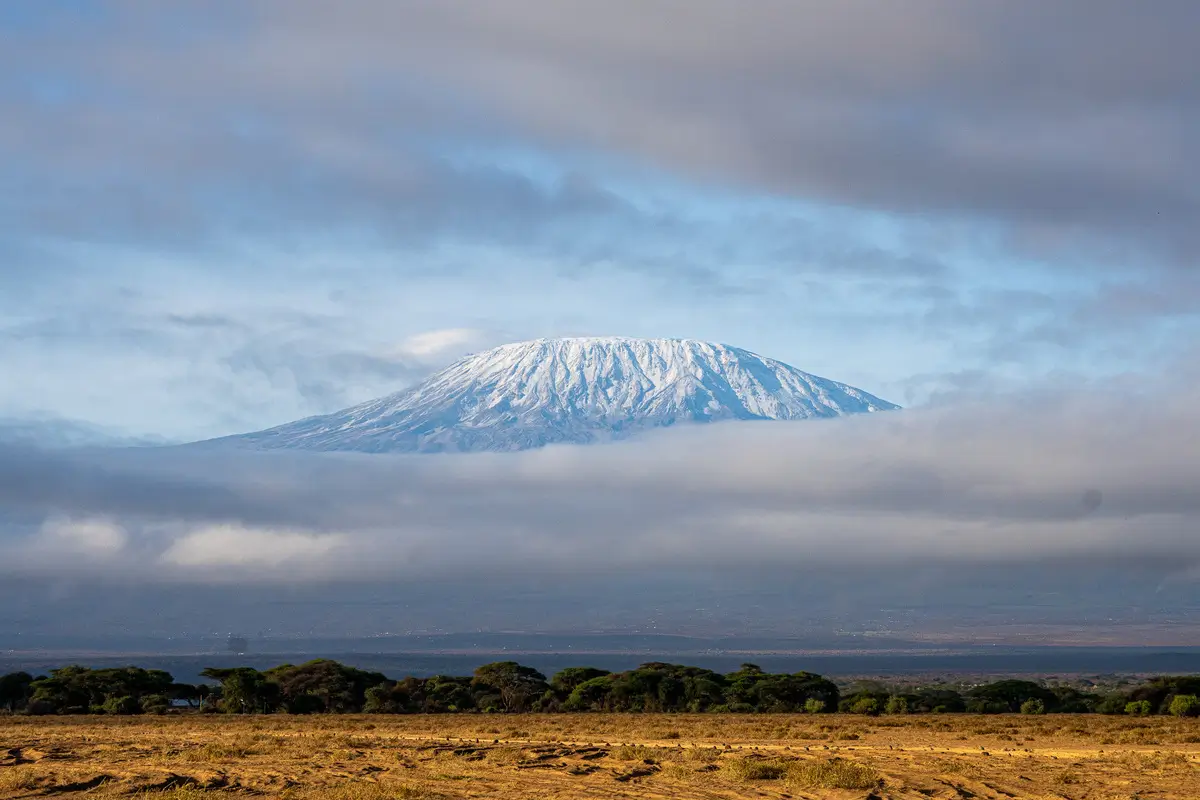
This unassuming 6,000 acre patch of community-owned land plays a crucial role in keeping the different parks of the region connected. For elephants, big cats, zebra, giraffe and antelope, the network of small-scale and commercial farms which are spreading across the region present a real hindrance to movement. Movement that is essential for surviving changing conditions and movement that is part of their natural cycle of feeding and breeding. Movements that have been part of the natural cycle ‘forever’.
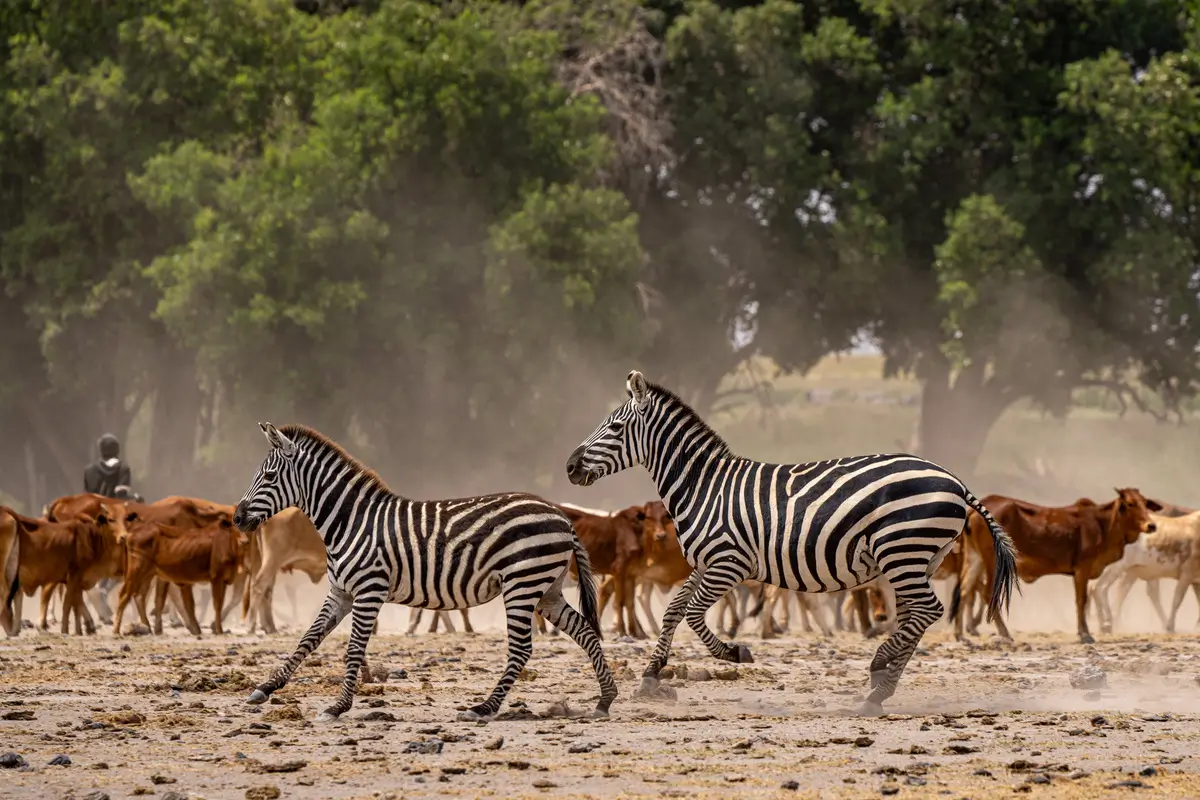
Kimana Sanctuary allows for movement between Amboseli and the national parks of Chyulu and Tsavo. Angama Amboseli is our base for exploring this region – a real delight of a lodge that is working with the conservation NGO, Big Life Foundation (www.biglife.org) to secure critical corridors. They have a wonderful team cut from experienced hands in the Mara Triangle and locals from the villages and towns around Kimana. It is not wilderness. You can see distant lights at night in the foothills of Kilimanjaro. You can hear the calls to prayer from the nearest mosque and in certain winds some road noise. But. The elephants roam freely right into camp. The owls call at night. The vulture breed safely in the surrounding forest and once again the lions are roaring here – a real sign of recovery. Conservation at work.
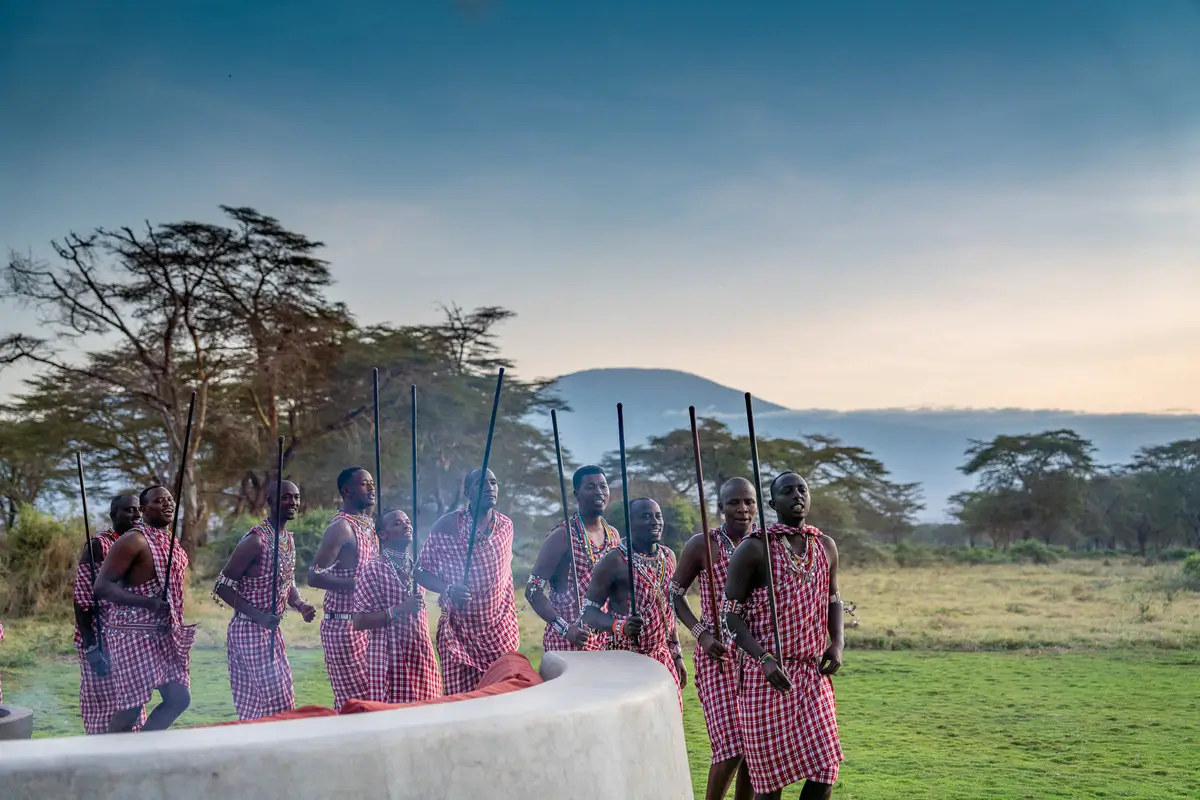
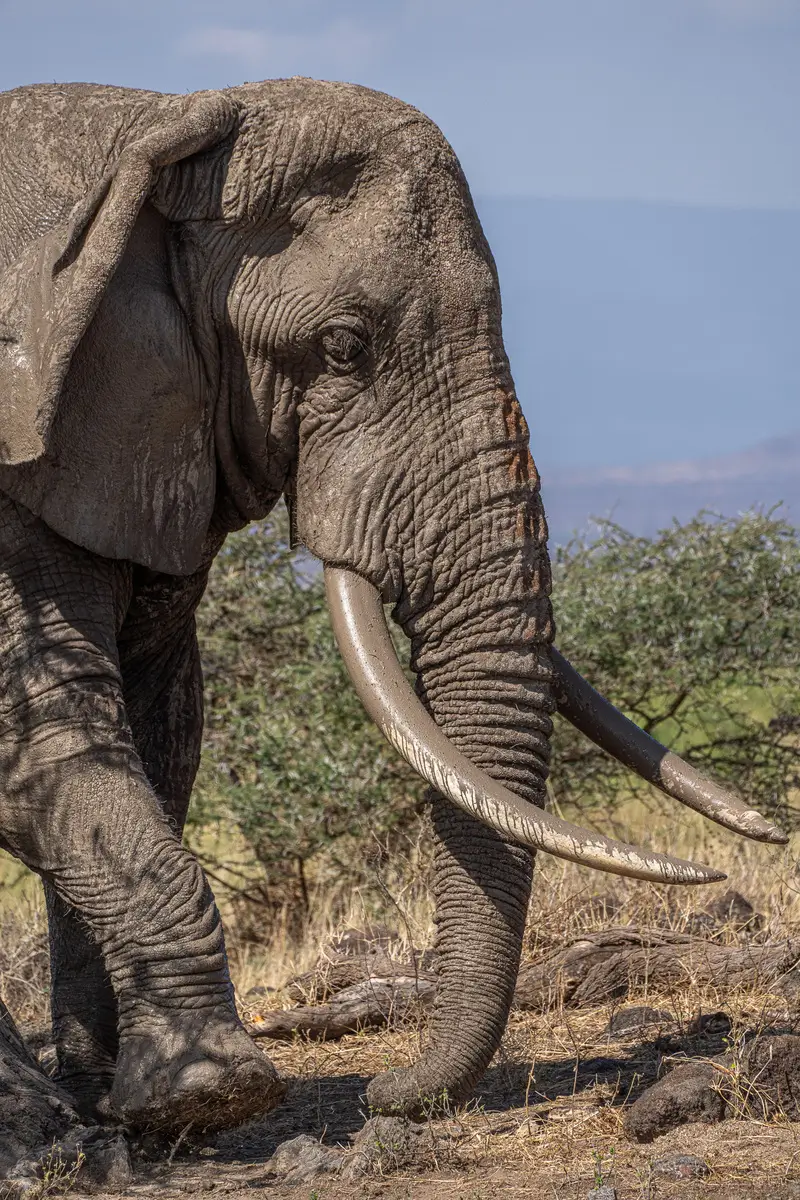
The water here is one of the reasons it is so attractive to wildlife. And if there is water there will be elephants! Some of the biggest known bulls frequent the sanctuary where they can interact and feed in peace. Visitors are afforded unparalleled viewing of the bulls and also herds at varying times of the year. The guides recognise many of them which adds much to the experience. Add in the backdrop of Africa’s great mountain and it can be picture perfect some days!
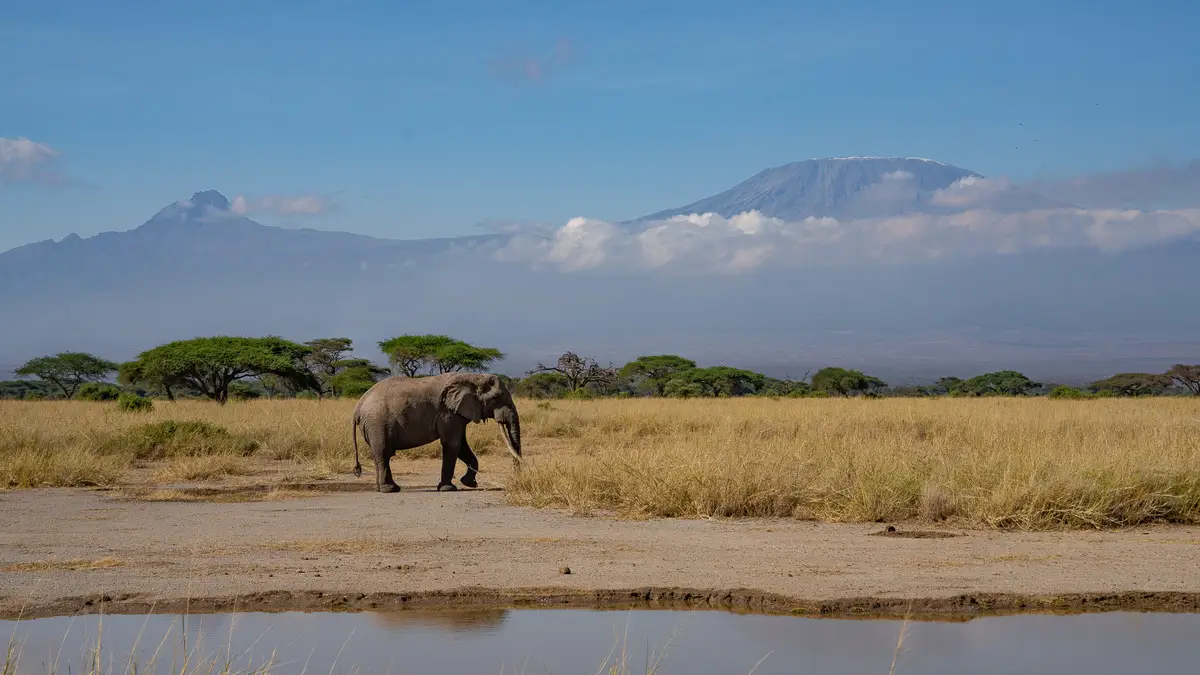
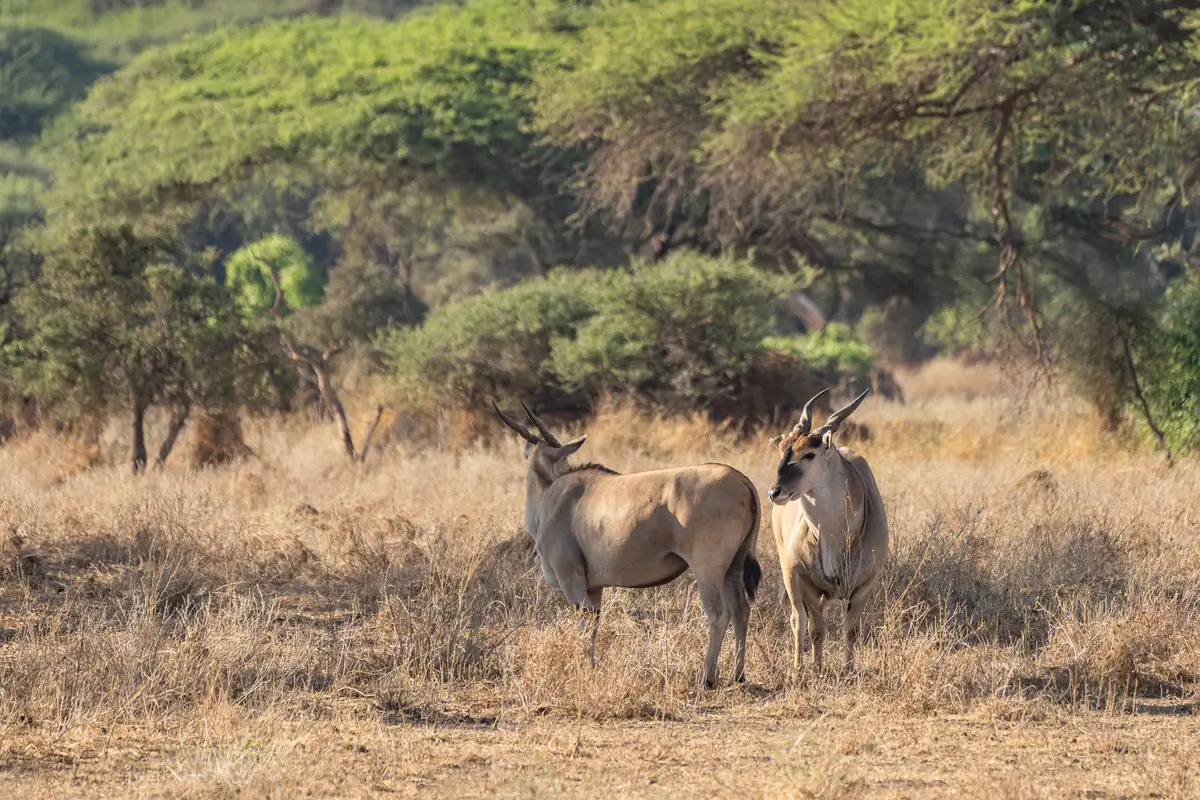
The general diversity of mammals here is astounding. In March this year, on one short afternoon game drive returning home in the dark we spotted no less than 30 different mammal species! I’m certain I’ve not had that experience ever before. This really speaks to the sanctuary nature of Kimana. It is dry and dusty here which makes for glorious tracking conditions. The antelope, nocturnal species like African Civet and of course the big cats like lion and leopard always leave their tell-tale tracks for you to find.
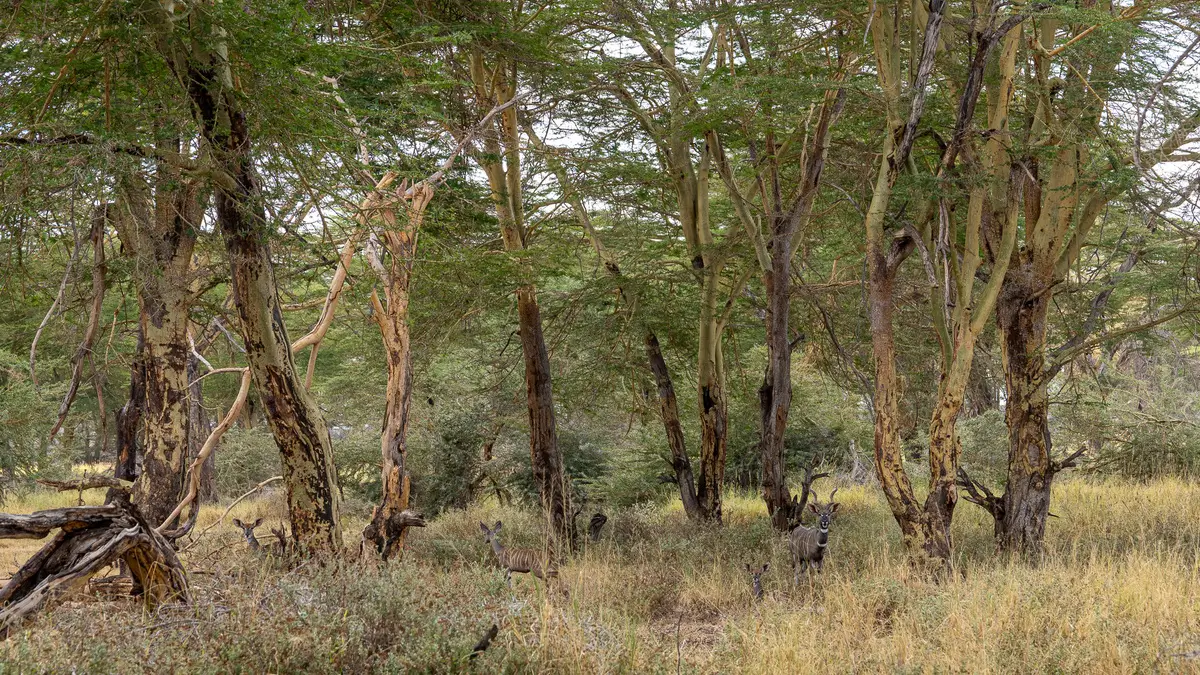
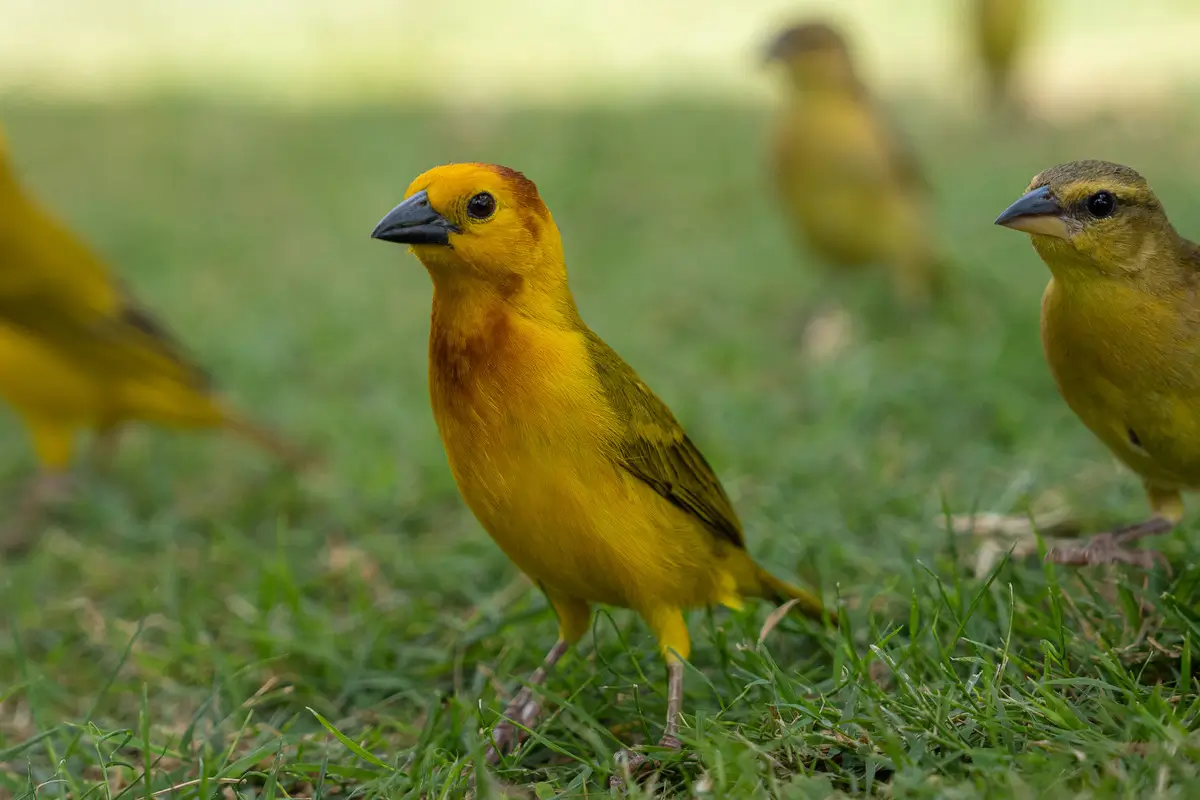
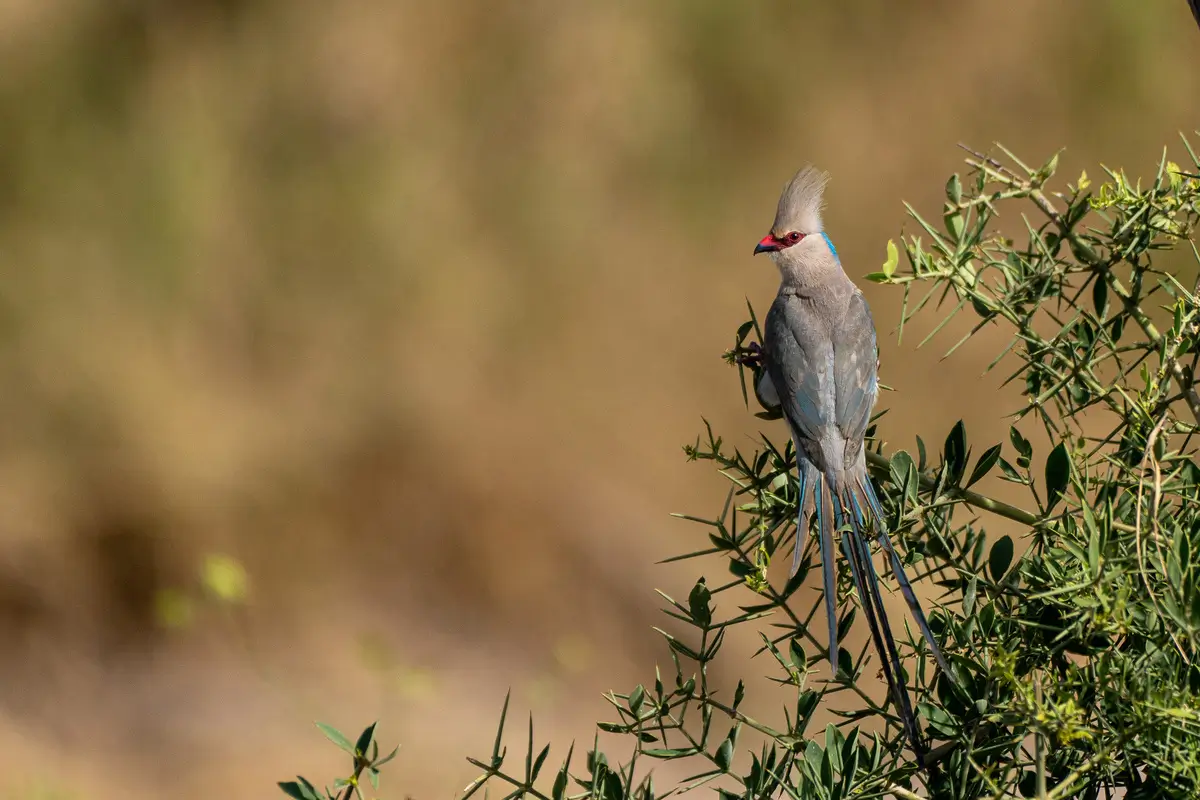
For the birders there are many endemic and special birds to find here. Large raptors breed in Kimana using the tall fever trees and impressive Umbrella Thorns. Splashes of colour from Zebra Waxbills, Blue-naped Mousebirds, White-headed Buffalo-weavers and Pangani Longclaws will distract you on game drives!
So, whether it’s the birds, the elephants, the antelopes or the views, all in all a few nights in Kimana adds a wonderfully different element to a Kenyan safari.