We may debate where wildest Africa is, but my vote for now is firmly with South Sudan.
The arrival in Juba can be intimidating for some. Military on the tarmac, weapons about – all the things that might scare you at the start of a safari. In this case we were being greeted with a red carpet and a full entourage. Ah, it’s not for us! Let’s just let the First Lady disembark and then we can carry on as normal! Soon after formalities we are in the heli and flying out over the mighty River Nile to explore this remote corner of Africa.
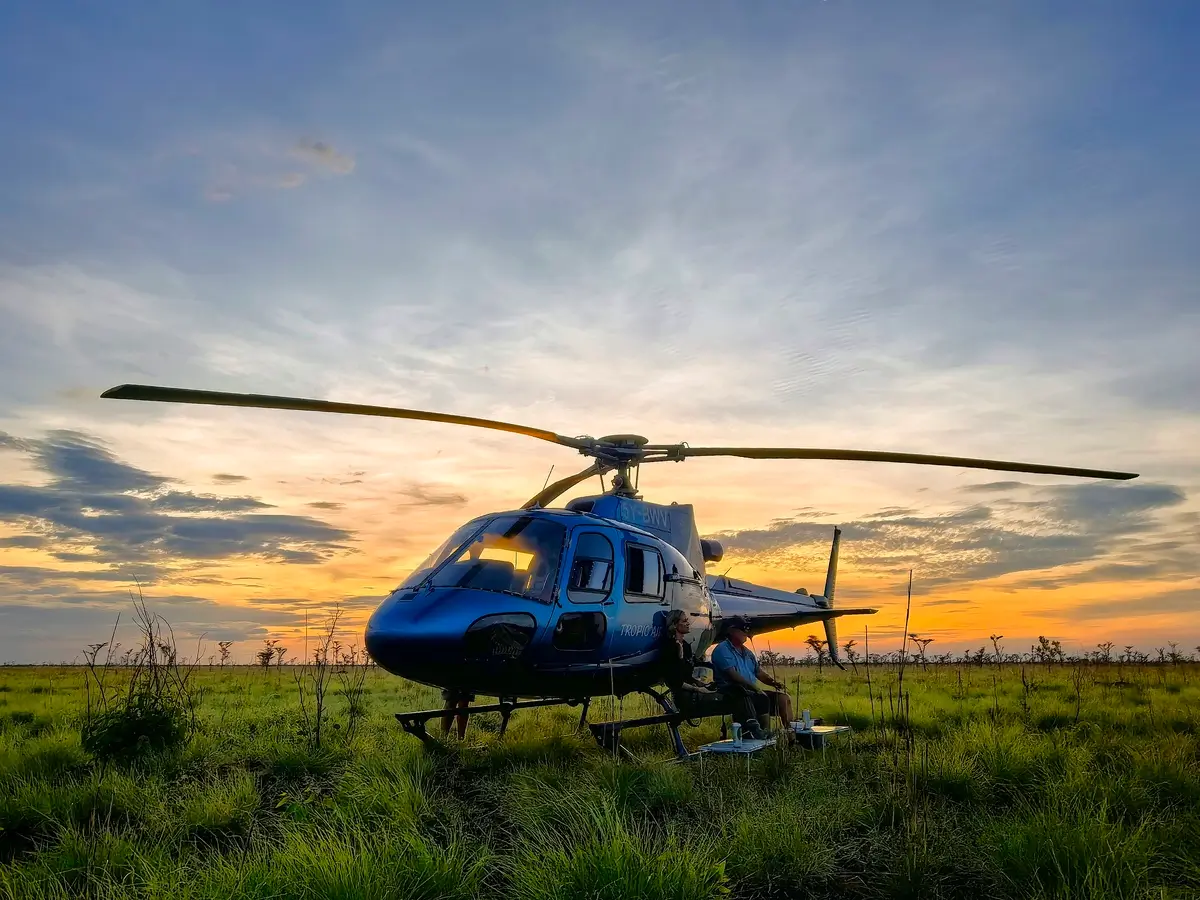
In a park larger than Israel or Belize, there are no real roads. So, it’s a week exploring by helicopter. Doors open with whole landscape at your feet. Those that have flown with the professionals at Tropic Air will know what I am talking about. So, here is Boma National Park in a nutshell.
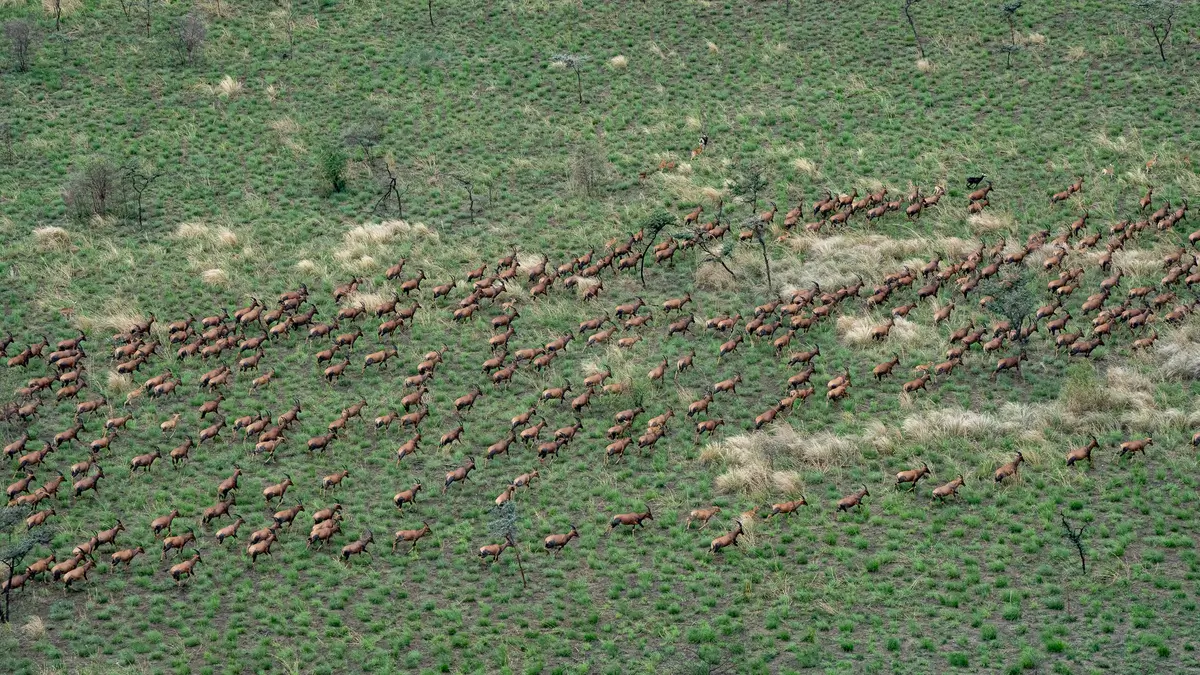
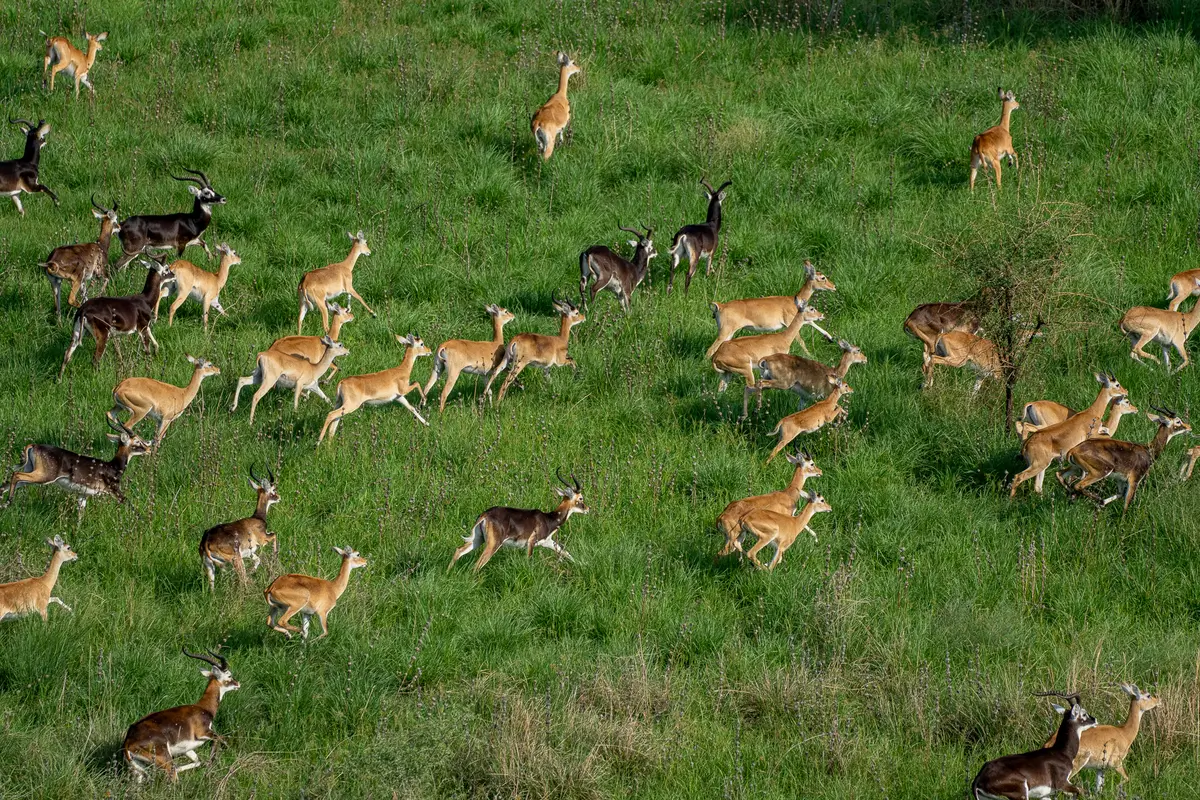
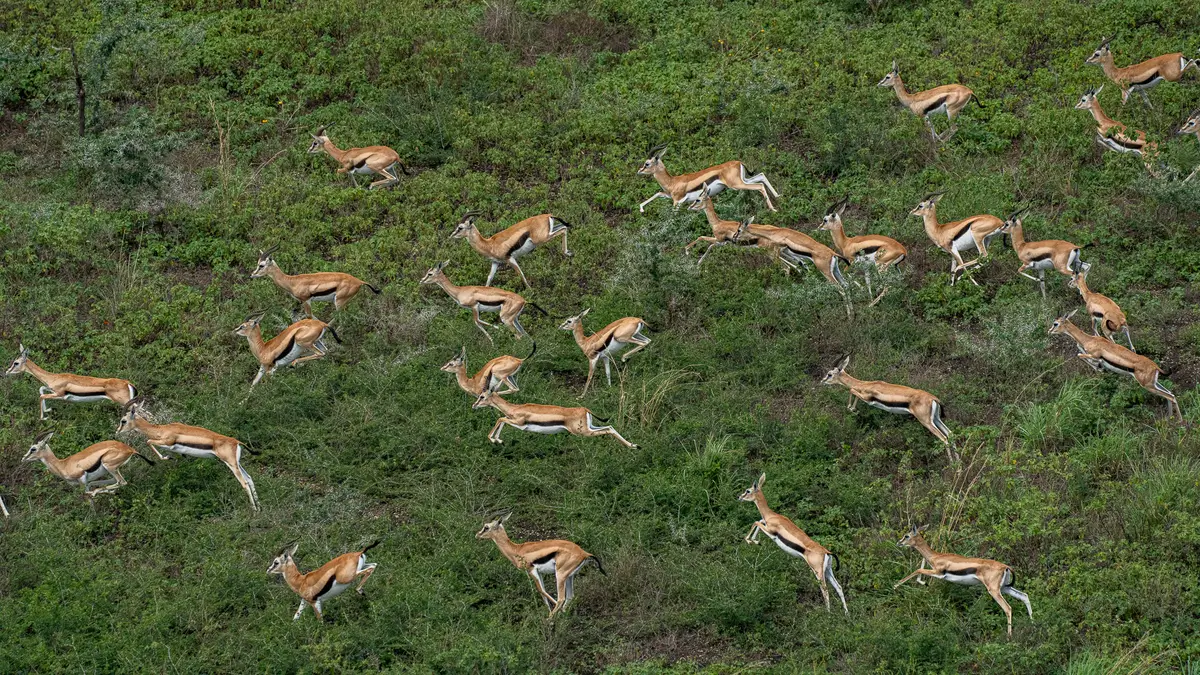
The greatest conservation story is busy being told. In most war zones, the wildlife comes second. Wildlife is food for hungry armies. Dysfunctional systems allow for illicit trade in natural products to flourish. Somehow, despite decades of war, the migratory animals have survived and flourished. The conservation organisation African Parks recently revealed that after thorough surveys many millions of antelope are thriving in South Sudan. Yes, millions!
The thrill of gliding over the African savanna in a helicopter is usually a brief activity as a flip on safari. Here we were, hot Sudanese coffee under the belt and lifting off from a makeshift helipad. We later discovered it was the display arena for the mesmerising Standard-winged Nightjar (not because it’s average, but has wing filaments like an army flag-bearing standard! Look it up!). This was the daily routine – eyes loaded and ready to spot movement and images from the moving machine at around 100 miles per hour! It takes a while to get used to it. The pangs of ‘did I or didn’t I’ see something are frequent, but with pilots so skilled and generous at turning back, it became easier and easier.
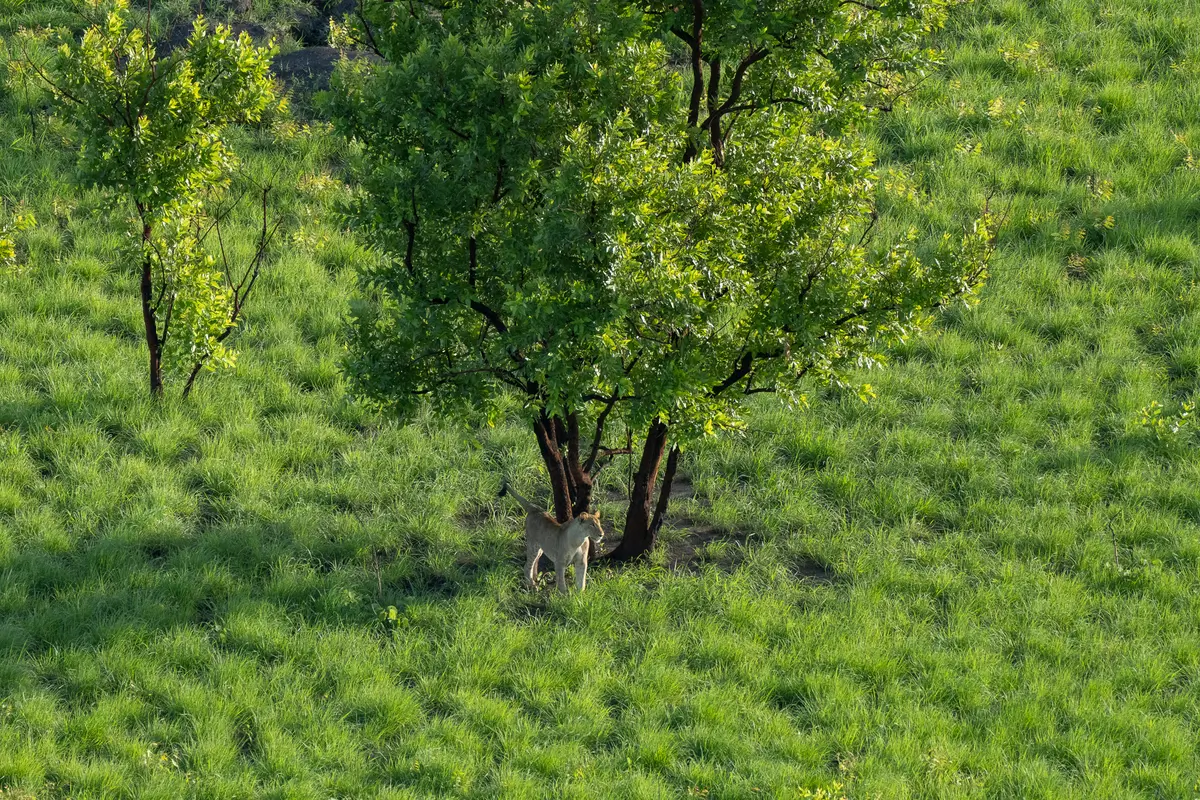
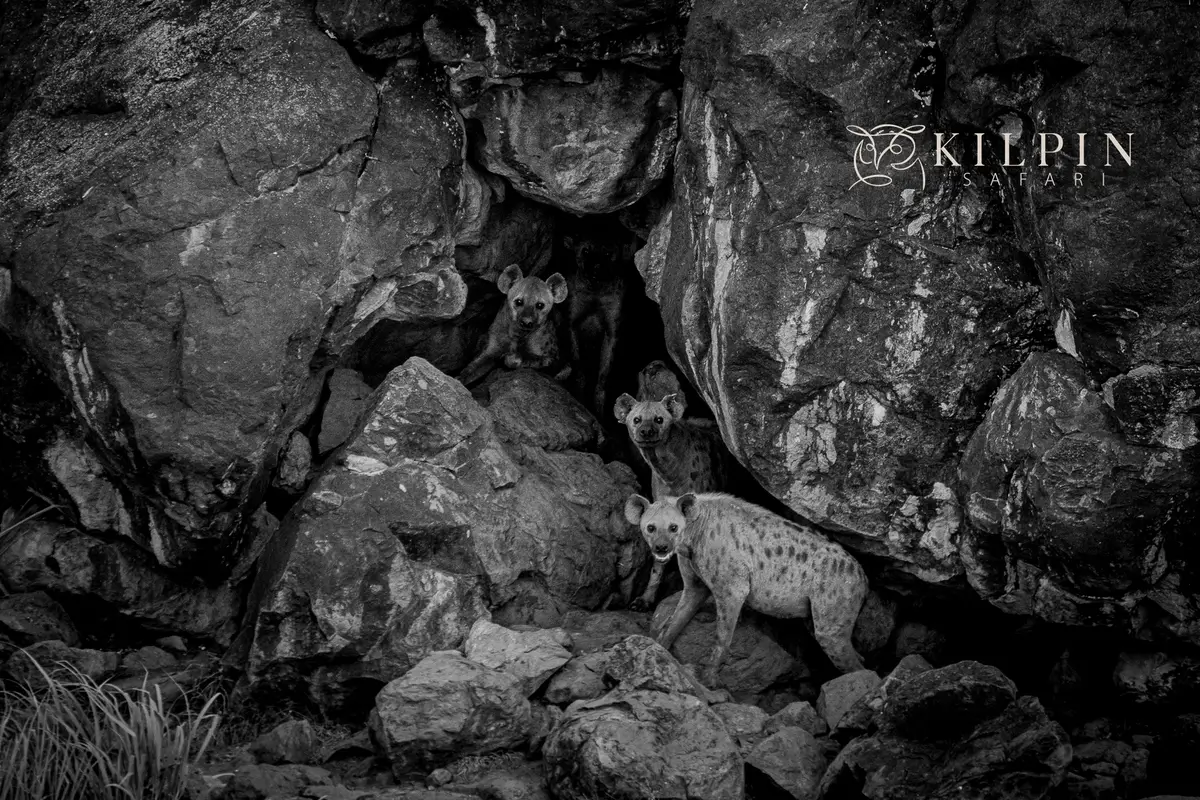
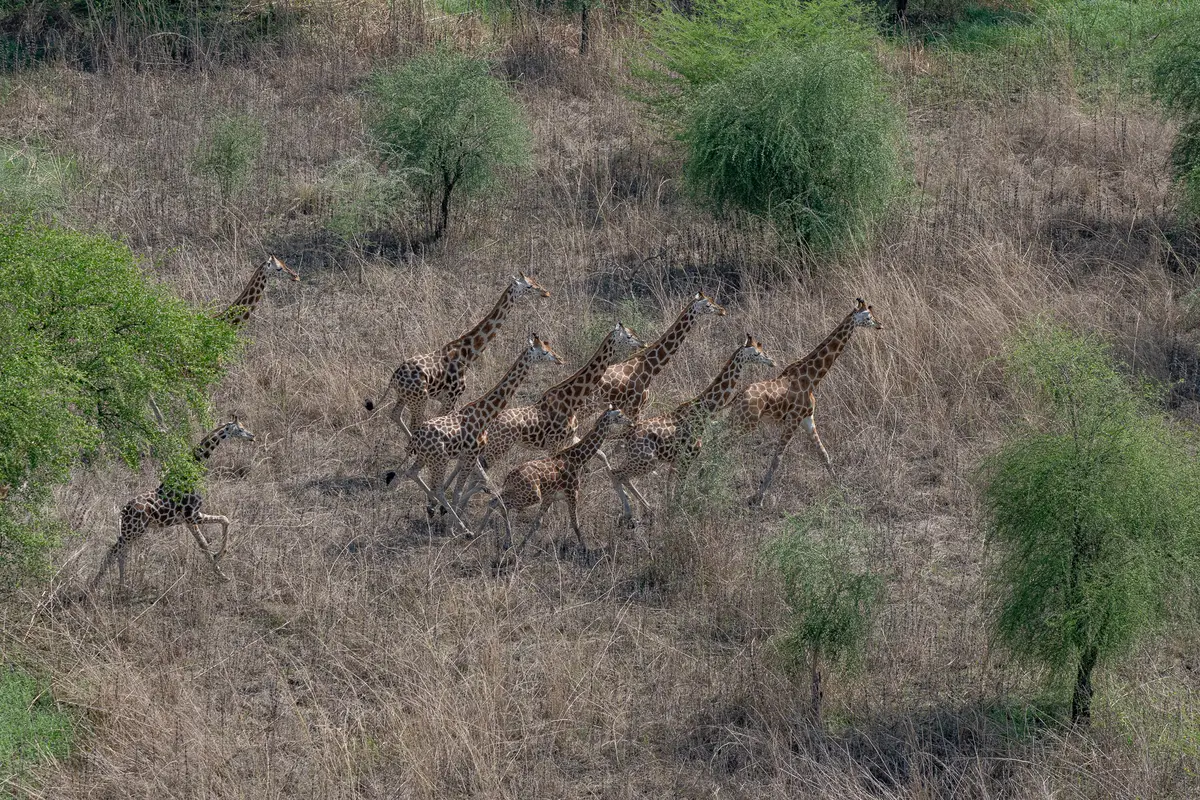
From a pure wildlife point of view, it is a strange feeling being in a park where there are millions of animals, yet many of the iconic species are down to a handful. Giraffe, elephant, buffalo, wild dog and big cats all cling on in very low numbers. They are the last survivors after centuries of onslaught. It seems that the top predator is the Spotted Hyena which we saw regularly across the landscape.
The various cultural groups that live in and around the park are key to understanding the history and future of the region. They have survived the ravages of war and continued to migrate in the Boma landscape much like the animals do. They are intertwined in the way this environment lives and breathes. No future conservation plan works without them, so it was encouraging to hear of the leadership of the people actively engaging with the African Parks team in a positive and future-forward way.
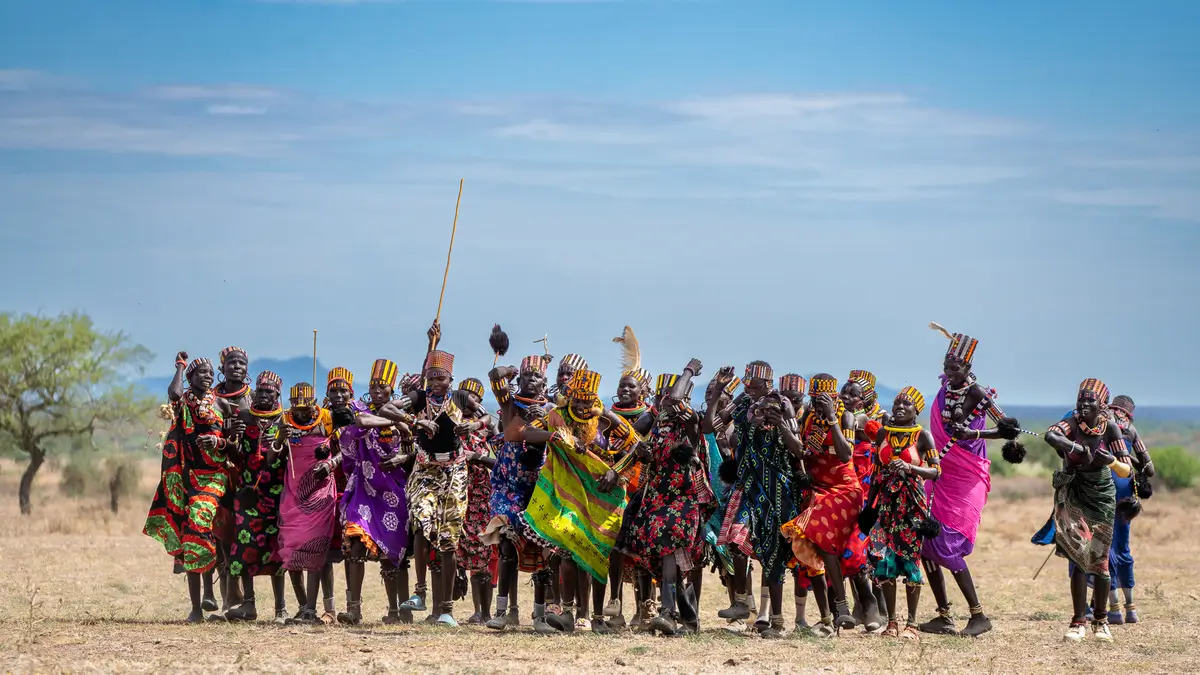
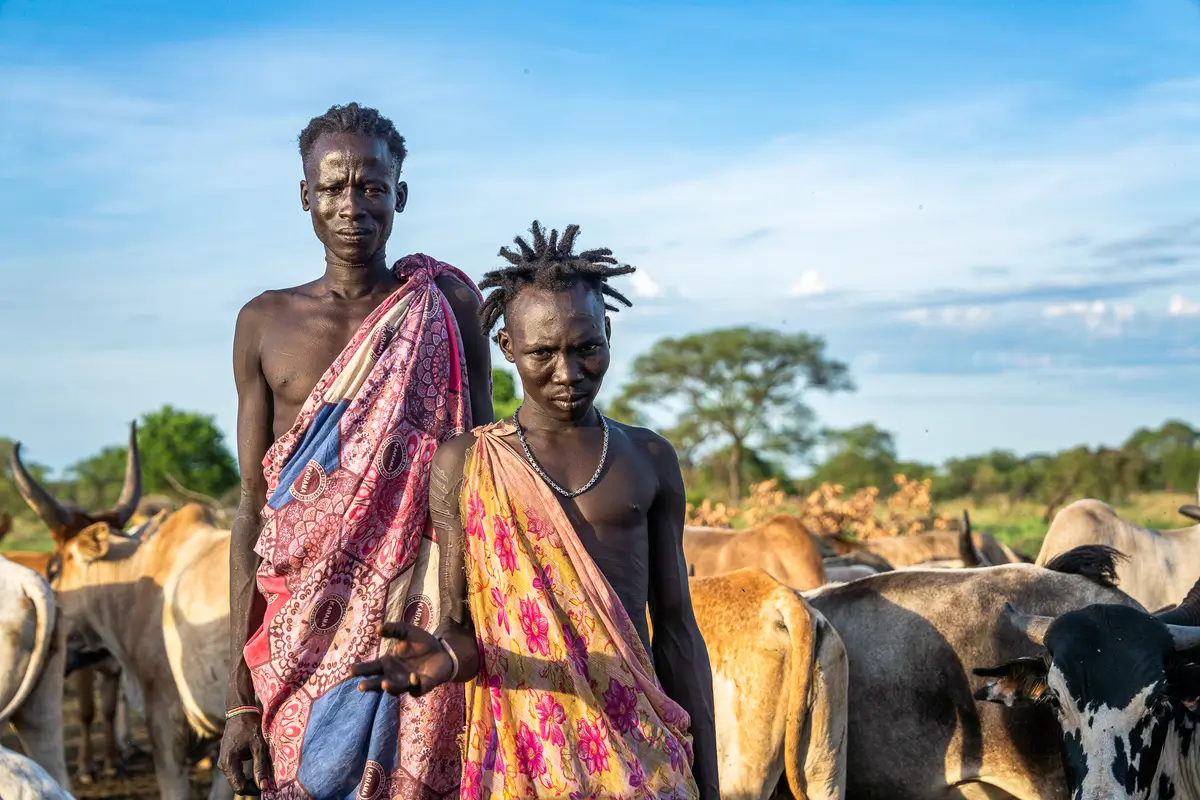
People do hunt and use the animals. It is not foreign. In fact, it is intrinsic to the culture here. So one of the great challenges is pursuing a shared agenda of maintaining and strengthening cultures whilst protecting the wildlife.
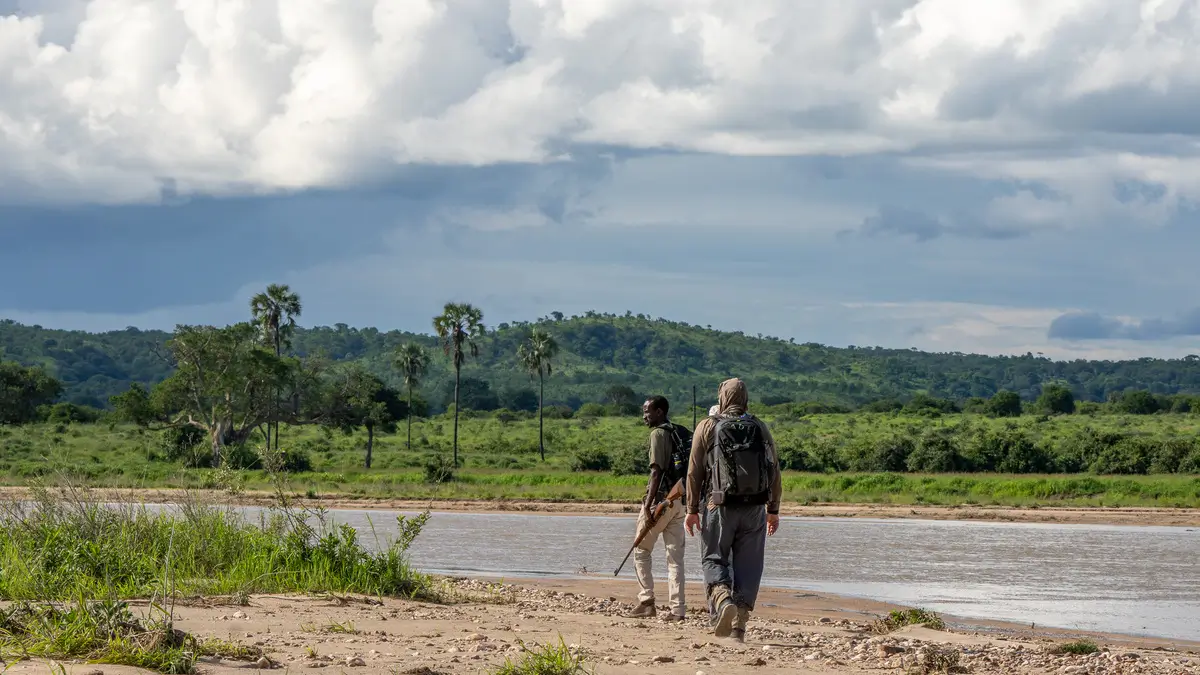
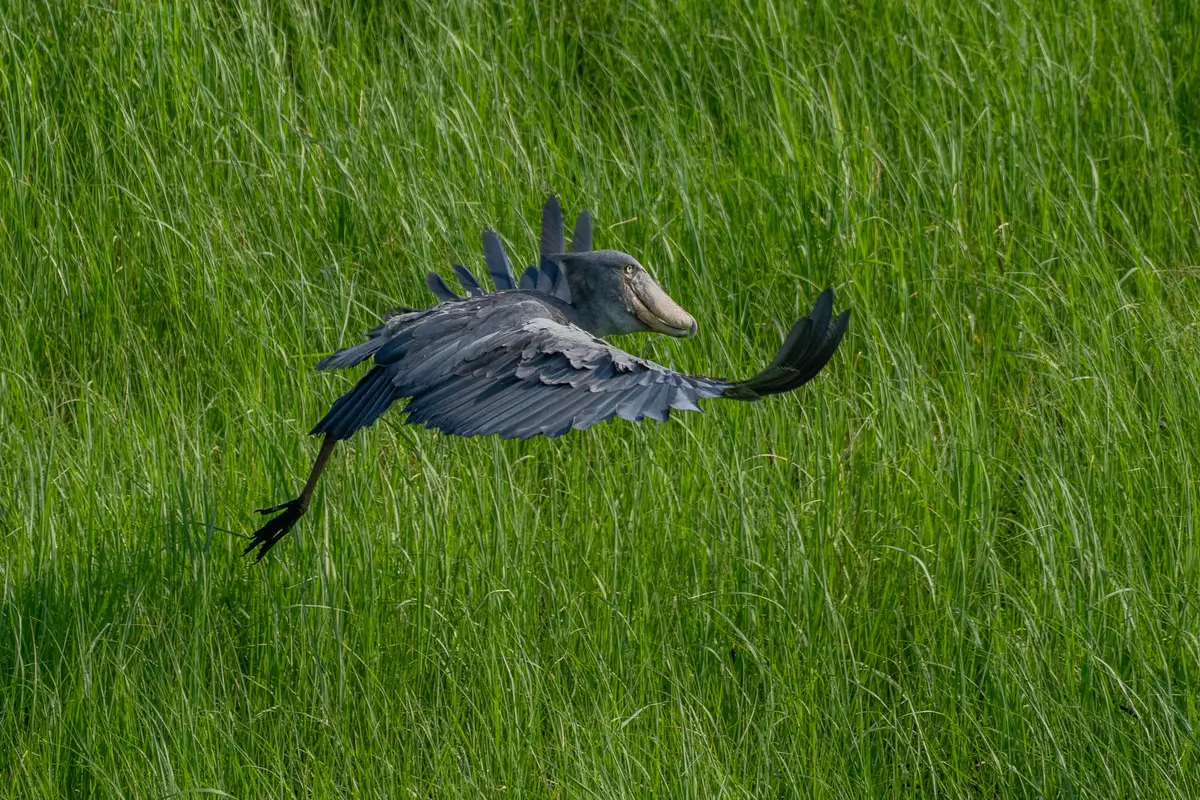
The habitats are varied here, from vast open grasslands that alternate between flooded and near desert to remnant forest pockets in the valleys of the Boma Plateau. Seasonal streams, large woodlands, riverine forest and large swamps like Guom are some that we explored on foot and by air. Unquestionably the highlight in Guom was the Shoebill. Not one, not two, but 8 and there are surely more. This is one of the most sought-after birds in Africa and here it is almost ‘common’!
But the challenging part of this conservation story is only just beginning. South Sudan is not politically settled. Neighbouring countries eye its resources. And anywhere there is a race for resources, wildlife is in the cross-hairs. Local cultural systems which can live in some semblance of balance get overrun. The losers, always the wildlife. The co-operation between the government, local people and African Parks is critical to the hope for a fully restored ecosystem. The journey has just begun. I am so very privileged to have had a glimpse into this unique part of Africa and hope I will get to return.